Introduction
The past few years have witnessed a tremendous increase in the public access to criminal justice information. The county inmate search system is among the most widely accessed sources that enable the community to get primary information on custody.
Families, researchers, journalists, and lawyers tend to rely on these tools in order to comprehend the status of imprisonment and court developments. Inmate search databases are not that difficult to use, but the legal and procedural context is mostly misconceived.
This paper discusses the functionality of inmate search systems, their purpose, and the way they interact with the legal process in general, without discussing any particular law firm, lawyer or brand.
How County Inmate Search Tools Work
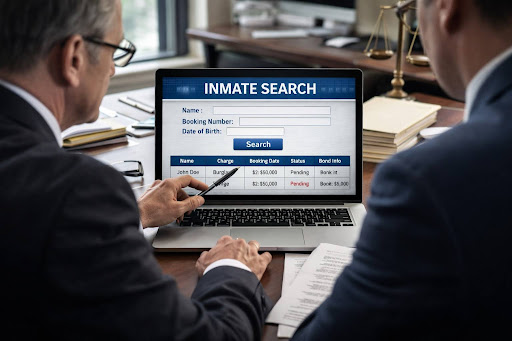
The inmate search tools by county are often maintained by the sheriff offices or the local authorities of detention. The systems are meant to give an open access to the custody records such as the date of booking, charges, bond, and housing status.
As an illustration, the use of tools such as Tulsa County inmate search is mostly applied by people who want to be sure whether a person is either in custody or has been released recently.
These databases are being updated on a regular basis though accuracy and frequency is based on internal reporting. One should know that the presented information is not a verdict but rather an administrative one.
The Legal Purpose of Inmate Records
Inmate records have a number of legal and administrative functions. Firstly, they help in ensuring transparency within the criminal justice system since they allow transparency to be observed by the populace.
Second, they assist in making sure that there is accountability of detention facilities through records of people under custody and their reasons. Third, they help courts, prosecutors, defense counsel and law enforcement agencies in monitoring of case progress.
These records also assist the family members and advocates to find people who might require legal representation or other assistance. Privacy laws and regulations also govern inmate records, although this is done publicly, restricting the nature of the information that may be shown.
Understanding Charges, Holds, and Case Status
A distinction between charges, convictions, and holds is one of the most frequent sources of confusion. A system of inmate searches normally shows ongoing charges, which are not final results but formal charges.
It is also possible that the other jurisdictions have held upon the person, that is, another court or other agency has asked to have custody of the individual after the current issue is decided.
The status of the case can involve a rapid change in terms of bond postings, court proceedings, or dismissal of the case. It is due to this that inmate search data can be considered a point in time as opposed to an entire legal history.
How Attorneys Use Inmate Search Information
Attorneys prefer to use inmate search systems as a point of departure when helping their clients. Such tools are also useful to ensure the legal professionals verify the custody status, establish the right detention facility, and define the preliminary charges.
Based on that, lawyers can pursue relevant legal action, including discovery, court appointments, or jail contact. Although the inmate searches are useful to offer logistical information, the attorneys will still need to confirm the information using the official court records and direct contact with the corresponding agencies.
Public Access vs. Privacy Considerations
Due to a constant struggle between the right to access and the right to privacy, there is a dilemma. Transparency helps build confidence in the justice system, but in such a situation, too much information may give way to abuse of the information or destroy the lives of those not yet convicted.
This is the reason why inmate search systems tend to restrict sensitive personal information and leave juvenile records out. The jurisdictions of legal authorities have different laws on public records and this implies that the breadth of available information in one locality can be vastly different than in another.
Limitations and Common Misunderstandings
In spite of their utility, there are weaknesses in inmate search systems. Mistakes in data typing, inadequate timely introduction of data, or partial record keeping may create confusion. Also, the release information can be delayed by real time events particularly weekends or holidays.
The other misconception is that getting off the system means that the charges had to be dismissed, this is actually not the case because it may just mean a transfer or a bond release. The results of the inmate search are to be used as information sources and not the ultimate sources of law by the users.
Conclusion
County inmate search systems are very crucial in enhancing transparency and access to simple custody information. When applied in the right way, such tools as Tulsa County inmate search assist families, legal experts and the general population to be updated on the imprisonment status and legal action.
Nevertheless, one should never forget that these systems are put under the umbrella of law and that they are limited and that all accused persons are presumed innocent.
Media Contact
Company Name: Oklawfamily
Email: Send Email
City: Tulsa
State: Oklahoma
Country: United States
Website: https://oklawfamily.com