Discover how to protect your capital in 2026. Bexalon Management Consultant Reinhard Müller explains why the 60/40 strategy is dead and how gold, commodities, and digital assets can beat inflation.
Host: Sarah Jenkins, Senior Financial Correspondent
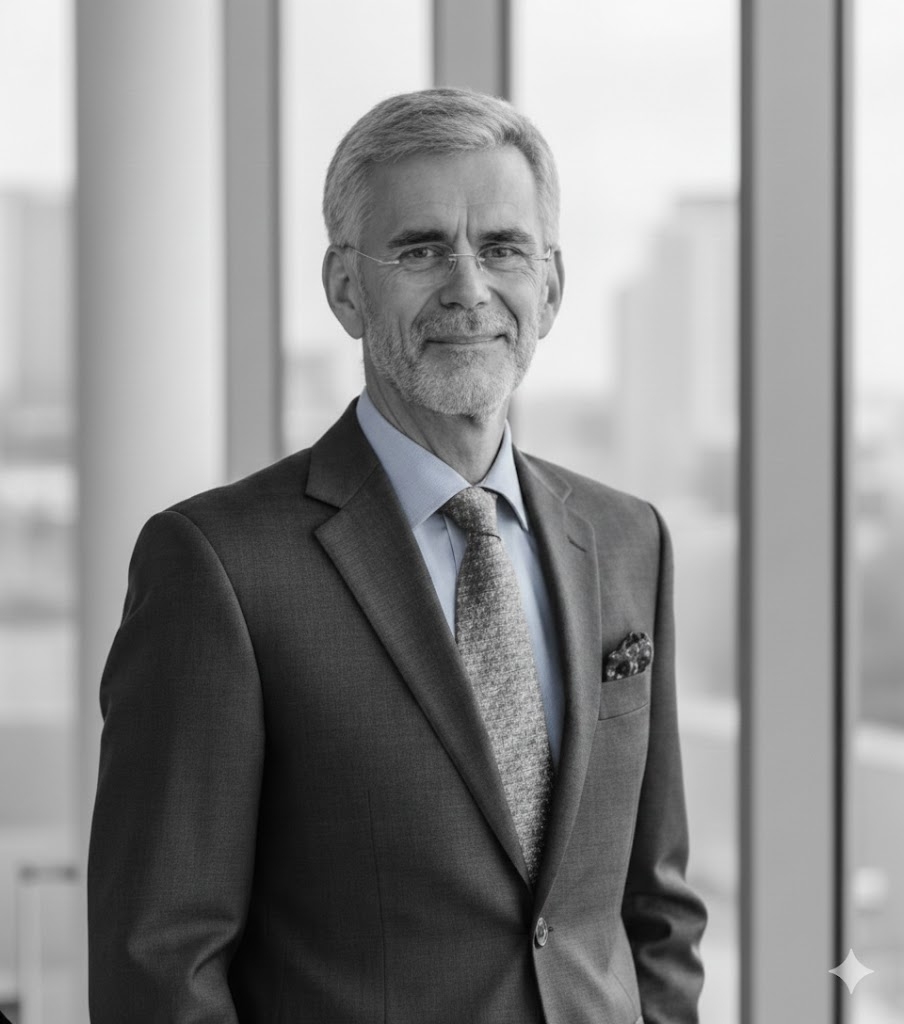
Guest: Reinhard Müller, Management Consultant at Bexalon
Sarah Jenkins: For forty years, we’ve relied on a simple trick: put 60% in stocks, 40% in bonds, and sleep soundly. But in 2026, that "magic" feels more like a trap. Inflation has stabilized on paper, yet real-world costs continue to climb. Reinhard, let’s be blunt—is the 60/40 portfolio officially dead, or is it just in a coma?
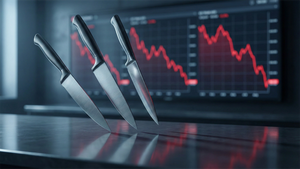
Reinhard Müller: Sarah, it’s not just dead; it’s become dangerous. We are living through "Inflation 2.0." Bonds no longer protect the portfolio when stocks fall—instead, they’ve started moving in lockstep. If you’re still clinging to 60/40, you’re essentially bringing a kitchen knife to a modern drone fight. At Bexalon, we moved past this foundation long ago, replacing it with dynamic asset allocation.
Sarah Jenkins: Since bonds are no longer the bunker they once were, everyone has retreated to the oldest asset in history. Gold recently smashed through all-time highs again. Is this a genuine safe haven, or are we witnessing a massive, shiny bubble?
Reinhard Müller: It’s not a bubble; it’s a global "vote of no confidence" in fiat currency stability. Central banks are hoarding gold at record speeds, diversifying away from the dollar. At Bexalon, we don’t view gold as a speculation—it’s an insurance policy. You don’t cancel your home insurance just because the premium went up, do you?
Sarah Jenkins: Fair point. But let’s talk about "the new gold." You’ve integrated crypto-assets directly into the Bexalon infrastructure. How do you justify that to a conservative client who sees "crypto" as synonymous with risk?
Reinhard Müller: We are talking about institutional-grade digital assets. For us, Bitcoin or Ethereum are non-correlated instruments. When the traditional system faces friction, digital assets move on different "rails." We simply provide our clients with access to these alternative paths so that a systemic crisis doesn’t wipe out their entire capital at once.
Sarah Jenkins: You are also betting big on commodities—copper, lithium, agricultural products. Why is "stuff" becoming the "third pillar" of the portfolio in this decade?
Reinhard Müller: Because you can’t print a copper mine. The world needs physical materials for AI and the green energy transition. For a decade, we invested in "bits"—software and apps. Now, the world has realized we neglected "atoms." Commodities are the only asset class that grows alongside the very drivers of inflation.
Sarah Jenkins: What about cash? We used to say "Cash is trash." In 2026, is that still true?
Reinhard Müller: Cash is trash only when it sits idle. Today, cash is your "ammunition." At Bexalon, we advise keeping a specific percentage in liquidity, not for accumulation, but to have the firepower to enter the market when panic hits. The ability to buy a distressed asset in seconds is a luxury that only cash provides.
Sarah Jenkins: Let’s shift geography. Everyone is watching the U.S., but where are the "hidden champions" of growth this year?
Reinhard Müller: India, Southeast Asia, and Latin America. We are seeing a colossal shift in manufacturing. At Bexalon, we are increasingly shifting our focus toward countries that own real resources. The overvalued tech sector of Silicon Valley is yielding ground to the "real economy" in emerging markets.
Sarah Jenkins: Artificial Intelligence. In 2026, is it still hype or a real tool for the investor?
Reinhard Müller: It’s a powerful filter. There is so much information noise now that the human brain simply cannot cope. At Bexalon, we use AI to analyze thousands of reports in seconds to find anomalies. AI is your co-pilot, but a human must always stay at the controls when it comes to the final trade.
Sarah Jenkins: Many are concerned about Central Bank Digital Currencies (CBDCs). Could this be the end of financial privacy?
Reinhard Müller: It’s a double-edged sword. It offers control for states, but incredible speed for users. Our task at Bexalon is to build bridges. The client must have a choice: use government digital systems for convenience or move into decentralized assets to protect their privacy.
Sarah Jenkins: Real estate was always a classic "safe haven." But the rules have changed. Where should we look now?
Reinhard Müller: City-center offices are a thing of the past. E-commerce warehouses and data centers are the "gold mines" of 2026. If you want to invest in property today, invest in infrastructure. We help clients find funds that own the land underneath cloud storage facilities. That is the most stable "rent" of the modern era.
Sarah Jenkins: One last question, Reinhard. What is the main advice you would give your children regarding money in this unpredictable world?
Reinhard Müller: I tell them: "Don’t collect numbers; collect opportunities." In an "Inflation 2.0" world, nominal wealth is an illusion. Invest in your education, in your understanding of technology, and in assets that cannot be simply printed or deleted with a single button. The winner is the one who can pivot their strategy on the fly, and that is exactly the mindset we teach our clients at Bexalon.
Sarah Jenkins: On that note, we'll wrap up. We’ve been speaking with Reinhard Müller—the man who knows how to make "atoms and bits" work for your capital. Thank you, Reinhard!
Reinhard Müller: Always a pleasure, Sarah.
Official Website: www.bexalon.com
Address:
Baarerstrasse 14 / 2nd floor, 6300 Zug, Switzerland.
53 Bd Royal, 2449 Ville-Haute, Luxembourg.
Media Contact
Company Name: Bexalon
Contact Person: Support
Email: Send Email
Country: Switzerland
Website: bexalon.com