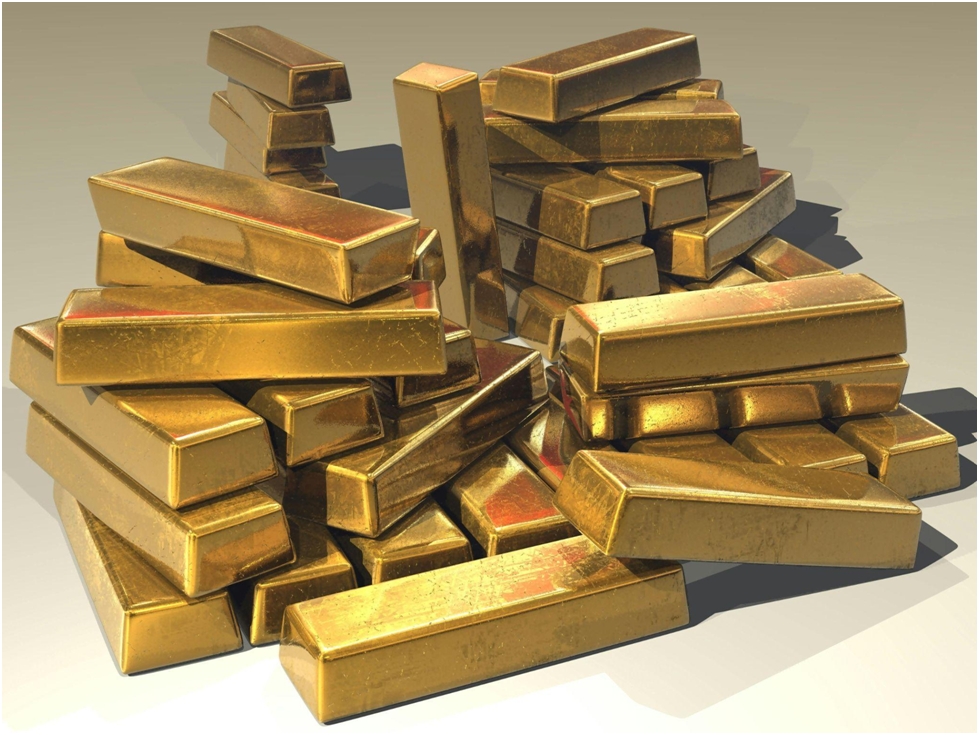
Gold had a year few investors will forget.
Prices surged more than 65% in 2025, marking the metal’s strongest annual performance in nearly half a century. Gold not only outpaced U.S. stocks and bonds, but it also left cryptocurrencies behind as well.
The question now is what comes next.
Some cooling looks likely after such a sharp run. But many analysts say the forces that pushed gold to repeated record highs are still in place, raising the possibility that 2026 could deliver another strong, if less explosive, year.
A Historic Run Meets a Moment of Pause
Spot gold briefly touched about $4,550 per ounce in late December before pulling back as traders took profits and margin requirements were raised by CME Group. Prices quickly rebounded, hovering in the mid-$4,000 range as the year closed.
That pullback did little to change the broader picture. Gold finished 2025 up roughly 66%, its best annual gain since 1979, when geopolitical shocks and runaway inflation drove investors toward safe havens.
Silver and platinum posted even bigger percentage gains, but gold stood out for its steady role as a store of value during a year marked by economic and political unease.
Why Investors Piled Into Gold
Several factors converged to fuel the rally.
Geopolitical tensions, including conflicts in Ukraine and the Middle East, kept uncertainty high. Trade disputes and tariff policies under President Donald Trump revived inflation concerns. At the same time, the U.S. dollar weakened by about 10% against a basket of major currencies, making gold cheaper for overseas buyers.
Lower interest rates also played a major role. As the Federal Reserve cut rates, assets that do not pay interest, such as gold, became more attractive relative to bonds and cash.
Investment flows tell the story clearly. Global exchange-traded funds backed by physical gold recorded six straight months of inflows in 2025, pushing total assets to more than half a trillion dollars. Central banks joined in as well, continuing a multiyear trend of boosting gold reserves to reduce reliance on the U.S. dollar.
What Analysts Expect in 2026
Most forecasts suggest gold will remain elevated, even if the pace of gains slows.
Many analysts see prices settling into a broad range between $4,000 and $5,000 per ounce next year. Goldman Sachs said a recent survey of more than 900 clients found that nearly 70% of institutional investors expect gold prices to keep rising. About 36% of respondents said they believe gold will climb above $5,000 by the end of 2026.
The World Gold Council outlines several scenarios. In its base case, prices remain steady or rise modestly. In a slower global growth environment, gold could gain another 15% to 30%. The main risk to prices would be unexpectedly strong growth paired with rising interest rates and a stronger dollar.
Central Banks Remain a Key Support
One reason analysts are hesitant to call an end to the rally is ongoing demand from central banks.
A recent survey by the World Gold Council found that 95% of central banks expect to increase their gold reserves in the coming year. For many countries, gold offers a politically neutral asset that holds value regardless of currency swings or sanctions risk.
Physical demand also continues to matter. Despite higher prices, buying of gold bars and jewelry has remained firm in parts of Asia, markets where gold carries cultural and financial importance.
Record prices are changing how Americans use gold
The sharp rise in gold prices is not just reshaping investment portfolios. It is also changing everyday consumer behavior.
As gold prices have climbed to record levels, more Americans are bringing jewelry, coins, and other gold items to jewelers, refiners, and dealers. Many are hoping to turn long-held possessions into cash.
Much of the increase is coming from people who had not previously considered selling. This includes those clearing out inherited items, old gifts, broken jewelry, and pieces that had been stored away for years. Several jewelry shops and refiners report buying significantly more gold than they did a year ago.
With gold trading near historic highs, selling now can mean turning forgotten items into meaningful cash at a time when household budgets remain under pressure.
“Record gold prices are changing consumer behavior,” said Konstantin Igumnov, founder of Gold to Cash. “As prices remain near historic highs, we expect more people to take a closer look at their gold items and consider selling, especially as everyday household costs continue to pressure budgets.”
For many sellers, the motivation is practical rather than speculative. Selling gold at current levels can help cover expenses, pay down debt, or create financial breathing room without taking on new obligations.
About the Author
Konstantin Igumnov is the founder of Gold to Cash, a U.S.-based service that helps consumers sell gold jewelry, coins, and precious metals. You can find him on LinkedIn.
Media Contact
Company Name: Gold to Cash
Contact Person: Konstantin Igumnov
Email: Send Email
Country: United States
Website: https://goldtocash.us/