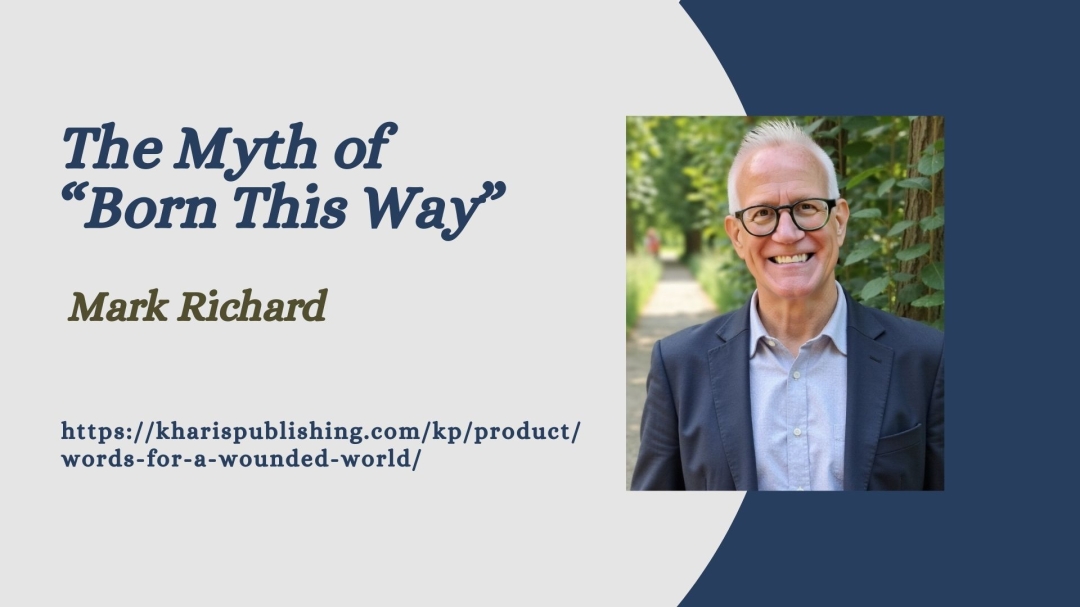
For years, the idea that personal orientation and identity are entirely fixed at birth has shaped cultural conversations. Often presented as compassionate and unquestionable, this narrative discourages deeper reflection by framing identity as permanent and immune to examination. Yet for many, it obscures a more complex truth: identity is frequently shaped by experience, environment, and unresolved emotional wounds rather than biology alone.
Modern discussions around identity often rest on a single assumption—that people are simply “born this way.” However, research in science, psychology, and lived human experience increasingly points to a more nuanced reality, one in which trauma, environment, and personal development interact over time.
No Single Genetic Explanation
In 2019, one of the largest genetic studies ever conducted analyzed data from nearly half a million individuals and found no single genetic cause for orientation-related behavior. Researchers instead identified minor genetic influences combined with significant environmental factors, concluding that human identity cannot be reduced to biology alone.
This distinction carries important implications. When identity is framed as biologically predetermined, the possibility of growth, healing, or change is quietly dismissed. Human identity, however, is shaped by family dynamics, environment, emotional development, and repeated patterns of thought and behavior.
Trauma and Identity Formation
Psychological research consistently shows that early life experiences play a critical role in shaping identity. Childhood adversity—including emotional neglect, family dysfunction, abuse, and loss—can leave lasting imprints on self-perception and relational patterns well into adulthood.
For many individuals, questions of identity emerge not as a simple discovery but as a response to unmet emotional needs or unresolved pain. These experiences are real and deeply felt, yet they are also complex and deserving of careful examination rather than simplified conclusions.
The Drift of Compromise
Identity rarely changes suddenly. More often, it shifts gradually through small, repeated compromises that become normalized over time. Without intentional healing, these subtle deviations can reshape a person’s understanding of self and purpose.
Addressing trauma is therefore essential—not as condemnation, but as a pathway toward clarity, wholeness, and truth.
A Better Story: Healing and Freedom
Contrary to prevailing cultural messages, human beings are not locked into past experiences or biological assumptions. Neuroscience confirms the brain’s capacity for change, and psychology affirms that trauma can be healed. Transformation remains possible.
Freedom emerges not from denying wounds, but from confronting them honestly. When underlying trauma is addressed through reflection, counseling, and faith-centered support, distorted views of identity can give way to restoration.
From Reflection to Invitation
These themes—identity, trauma, repentance, and restoration—are explored more fully in Words for a Wounded World by Christian author and Bible teacher Mark Richard. The book examines these questions through Scripture-inspired poetry, devotional insights, and guided reflection designed to engage truth with clarity and compassion.
More information is available at:
Amazon: https://www.amazon.com/dp/B0G3YMSNY6/
Barnes & Noble: https://www.barnesandnoble.com/w/1148812699
Kharis Publishing: https://kharispublishing.com/product/words-for-a-wounded-world
Healing begins with truth. Freedom grows where wounds are acknowledged. And hope remains possible for every human story.
Media Contact
Company Name: Kharis Media LLC
Contact Person: Rufus Philip
Email: Send Email
Phone: (630) 423-6309
City: Aurora, Chicago
State: IL
Country: United States
Website: https://kharispublishing.com/kp/product/words-for-a-wounded-world/