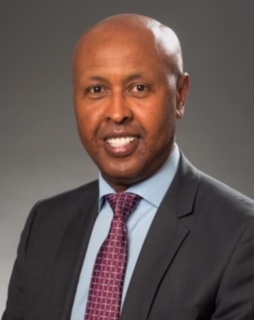
Healthcare is complex, emotional, and often misunderstood. According to Dr. Bedri Yusuf, a physician and healthcare executive with experience across four countries, misinformation about how hospitals function and how care is delivered can lead to poor decisions, preventable harm, and unnecessary fear.
“Many of the beliefs people hold about healthcare are rooted in outdated models,” says Dr. Yusuf. “If we want better outcomes, we need a better understanding.”
In a new expert briefing, Dr. Yusuf addresses five common myths that mislead patients, families, and even healthcare professionals, and offers practical advice anyone can apply immediately.
Myth 1: “The Doctor Alone Is Responsible for My Care.”
Why People Believe It: For generations, medicine has been portrayed as physician-centered. Popular culture reinforces the image of a single doctor making all decisions.
The Reality: Modern healthcare is team-based. Research consistently shows that coordinated teams improve patient outcomes, reduce errors, and increase satisfaction. Nurses, pharmacists, therapists, advanced practice providers, and care coordinators all play essential roles.
“No physician practices alone anymore,” Dr. Yusuf explains. “The safest care happens when every professional works at the top of their training.”
Practical Tip: During your next medical visit, ask who is part of your care team and what each person’s role is. Understanding the team improves communication and trust.
Myth 2: “More Tests and More Procedures Mean Better Care.”
Why People Believe It: Patients often equate thoroughness with quantity. If multiple scans or labs are ordered, it can feel reassuring.
The Reality: More care is not always better care. Unnecessary testing can lead to false positives, anxiety, complications, and higher costs. Studies show that overutilization contributes billions of dollars annually to healthcare waste in the United States alone.
“Quality care is about precision, not volume,” says Dr. Yusuf. “The right test at the right time is far more valuable than excessive testing.”
Practical Tip: If a test or procedure is recommended, ask: What will this change in my care? If the answer is unclear, request further explanation.
Myth 3: “Burnout Is Just Part of Being a Healthcare Professional.”
Why People Believe It: Medicine has long glorified endurance and sacrifice. Long hours and emotional stress are often viewed as unavoidable.
The Reality: Burnout is not a badge of honor. It is a system-level issue that affects patient safety, workforce stability, and quality of care. Studies have linked physician burnout to increased medical errors and higher turnover rates.
“When burnout becomes normalized, the system is failing,” Dr. Yusuf states. “Healthy caregivers provide safer care.”
Practical Tip: Healthcare professionals should track their workload and advocate for workflow improvements. Patients can also support healthier systems by being organized and prepared during visits, which reduces unnecessary strain on providers.
Myth 4: “Hospitals Are Inefficient Because Staff Do Not Work Hard Enough.”
Why People Believe It: When patients experience long waits or discharge delays, it can appear as if the system is poorly managed or that individuals are not performing.
The Reality: Most delays are structural, not personal. Patient flow depends on coordination across departments, bed availability, staffing, and discharge planning. Even highly dedicated teams struggle if systems are poorly designed.
“In aviation, we manage aircraft traffic with precision,” Dr. Yusuf explains. “Healthcare must adopt similar coordination principles for patient flow.”
Data from multiple healthcare systems show that improved bed management and discharge planning significantly reduce wait times and increase capacity without adding new facilities.
Practical Tip: Families can ask early about discharge plans and what milestones must be reached before going home. Proactive communication helps reduce delays.
Myth 5: “Healthcare Problems Can Be Fixed by Hiring More Doctors.”
Why People Believe It: When shortages are reported, the instinctive solution is to increase the number of physicians.
The Reality: While physician recruitment is important, workforce shortages are primarily design challenges. Team based care models that integrate nurse practitioners, physician assistants, and other professionals can safely expand access.
“No country can train its way out of shortages fast enough,” says Dr. Yusuf. “We must redesign care delivery.”
Evidence shows that collaborative care models improve chronic disease management and reduce hospital readmissions.
Practical Tip: If offered an appointment with a qualified advanced practice provider, consider it. These professionals are highly trained and often provide excellent, timely care.
If You Only Remember One Thing
Healthcare works best when it is structured, coordinated, and team-driven. The biggest risks often come from outdated assumptions, not a lack of effort or expertise.
“Understanding how the system actually works empowers patients and strengthens organizations,” Dr. Yusuf emphasizes. “Clarity leads to better decisions.”
A Call to Action
Dr. Yusuf encourages readers to share these myths with family members, colleagues, and healthcare teams. Public understanding plays a powerful role in improving care.
“Start with one practical tip today,” he advises. “Ask a better question, clarify a role, or engage in a more informed conversation. Small actions create safer systems.”
For interviews, speaking engagements, or collaboration inquiries, media representatives are encouraged to contact Dr. Yusuf’s office directly.
About Dr. Bedri Yusuf
Dr. Bedri Yusuf is a physician and healthcare executive with clinical and leadership experience in Ethiopia, South Africa, Germany, and the United States. He specializes in healthcare systems design, physician leadership, workforce strategy, and patient safety. Dr. Yusuf is an advocate for team based care, structural reform, and global health development initiatives.
Media Contact
Contact Person: Dr. Bedri Yusuf
Email: Send Email
City: Duluth
State: Georgia
Country: United States
Website: https://www.drbedriyusuf.com/