Civilizations become more vibrant through exchange and richer through mutual learning.
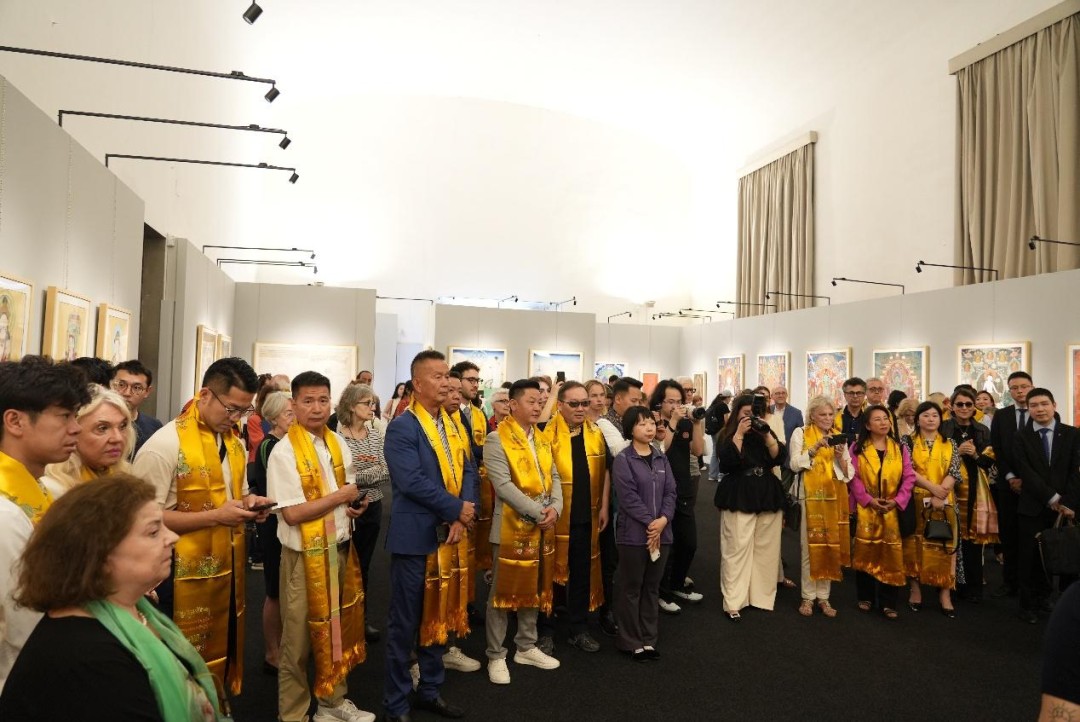
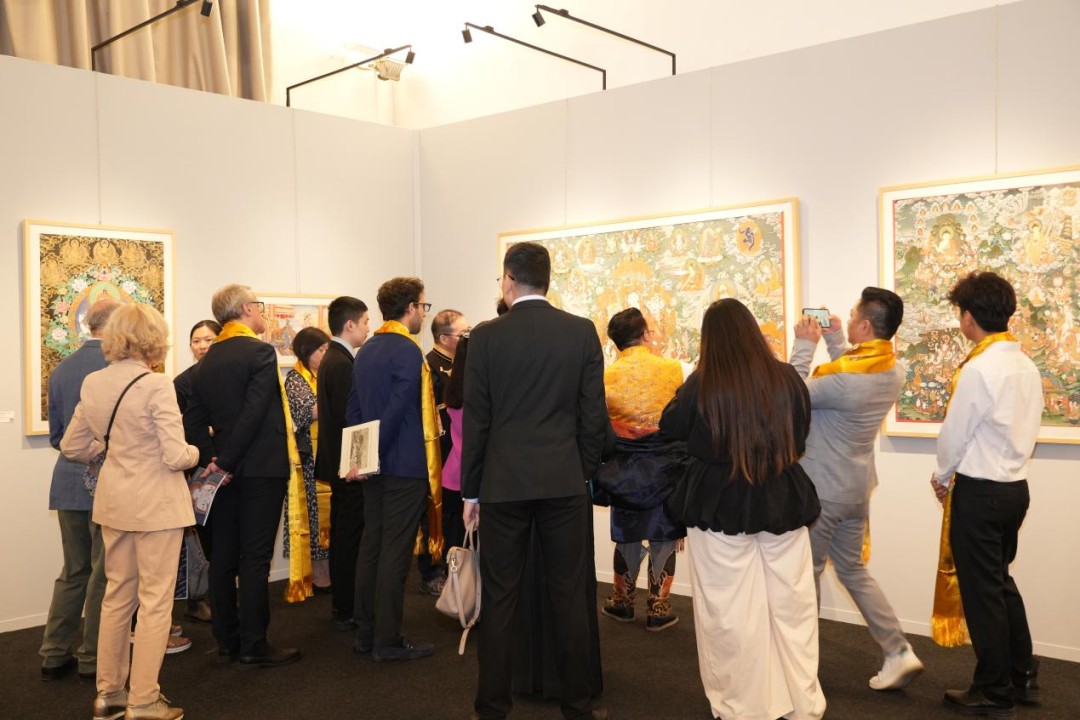
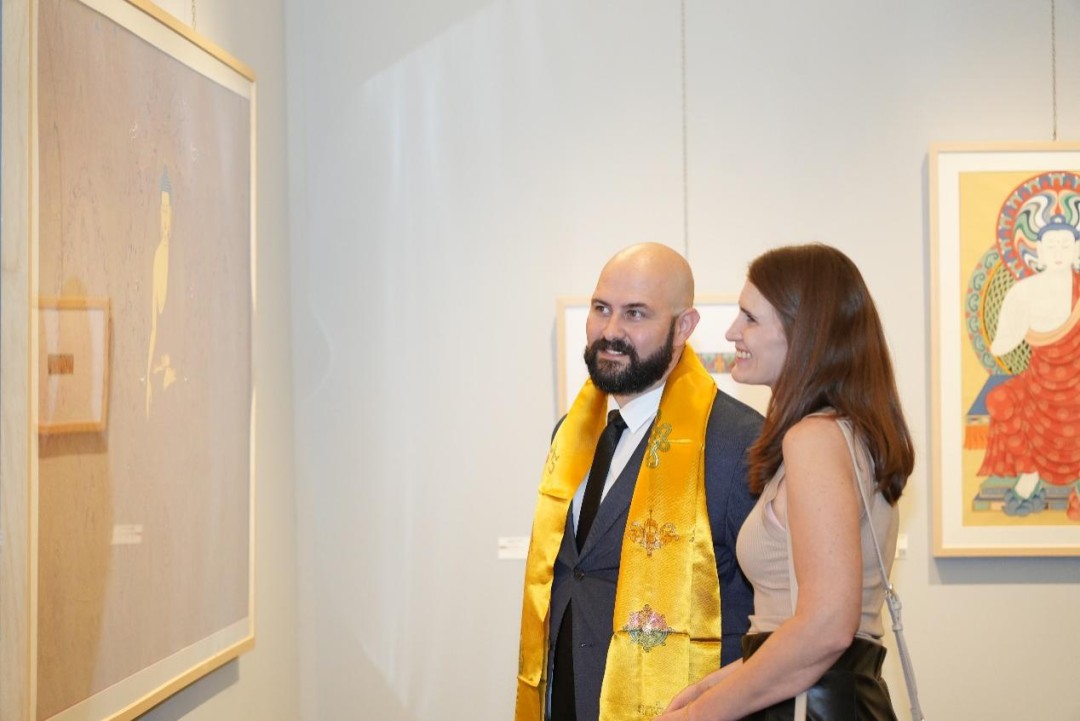
On June 5, 2026, local time in Florence, the “From the Himalayas to the Renaissance - Sangjicairang Thangka Art Exhibition” opened grandly at the Accademia delle Arti del Disegno in Florence, Italy. Guests from the cultural, artistic, academic, and diplomatic communities of China and Italy gathered in the birthplace of the Renaissance to witness an important showcase and dissemination of fine traditional Chinese culture in Europe.
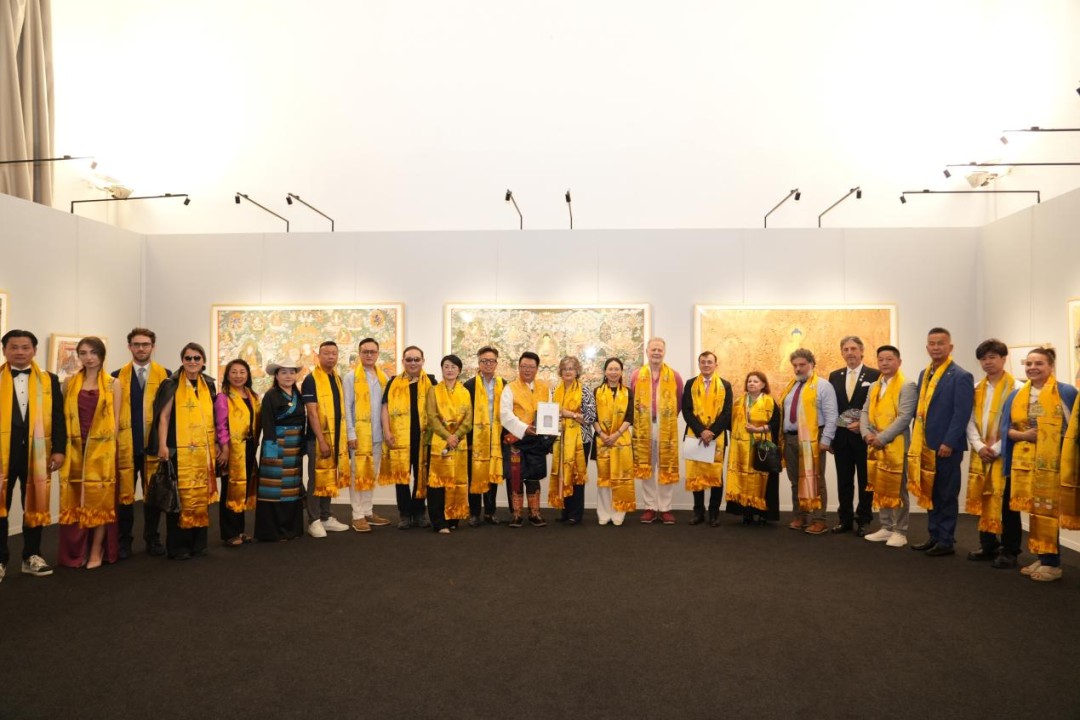
A cultural dialogue spanning vast mountains and seas unfolded here, linking Regong, the home of art on the Qinghai-Tibet Plateau, with Florence on the banks of the Arno, and bringing China’s national intangible cultural heritage into a world-renowned hall of art. Through thangka art, an important carrier of the spirit of traditional Chinese culture, the exhibition presented to the international community the profound heritage and contemporary vitality of Chinese culture, injecting fresh momentum into China-Italy cultural exchanges and mutual learning among civilizations.
The year 2025 marked the 55th anniversary of the establishment of diplomatic relations between China and Italy. Around this important milestone, the two countries have continued to host a rich variety of people-to-people and cultural exchange activities, further expanding the space for dialogue between civilizations and cultural cooperation. In 2026, China-Italy cultural exchanges have continued to gain momentum. Against this backdrop, the “From the Himalayas to the Renaissance - Sangjicairang Thangka Art Exhibition” has become an important cultural exchange project. With Regong thangka art, a representative item of China’s national intangible cultural heritage, as its medium, the exhibition built an artistic bridge across regions and civilizations in Florence, the cradle of the Renaissance, vividly demonstrating the vitality of China-Italy people-to-people exchanges in the new era.
The exhibition was hosted by the Accademia delle Arti del Disegno, co-organized by Sangjicairang Thangka Art Studio, the World Center for Sinology, the Silk Road Culture Working Committee of the China Cultural Promotion Society, the European Center for Peace and Development, the Confucius Institute at the University of Florence, the Italian Association for Chinese Yanhuang Culture Studies, and Shoukuan Culture, with support from the Tuscany Region, the Municipality of Florence, and the Consulate General of China in Florence.
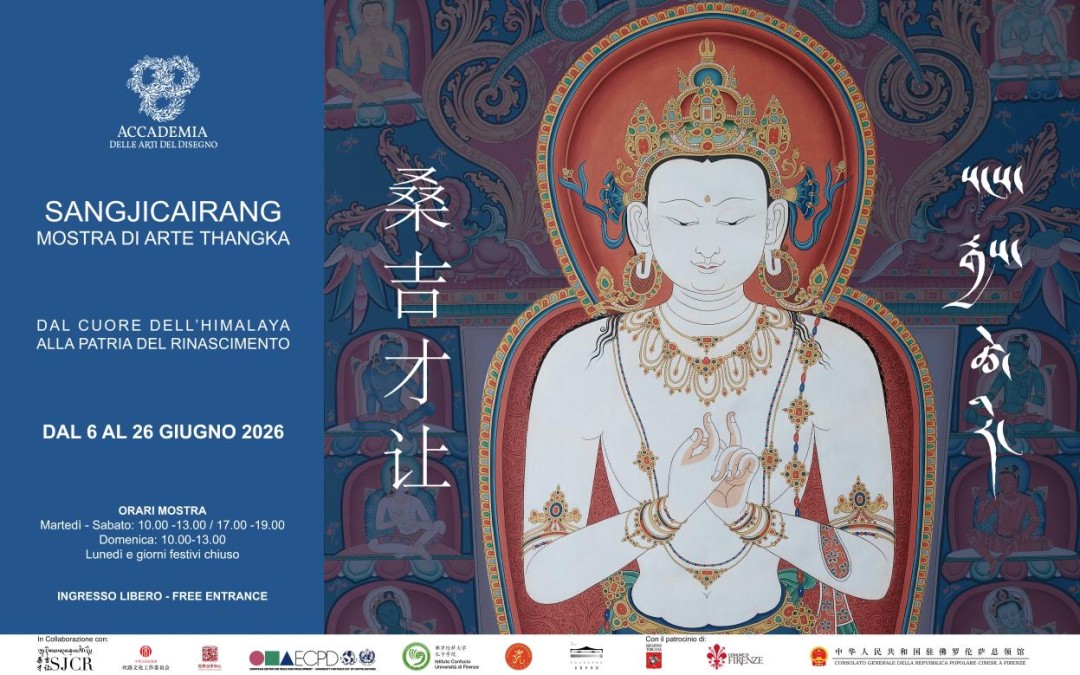
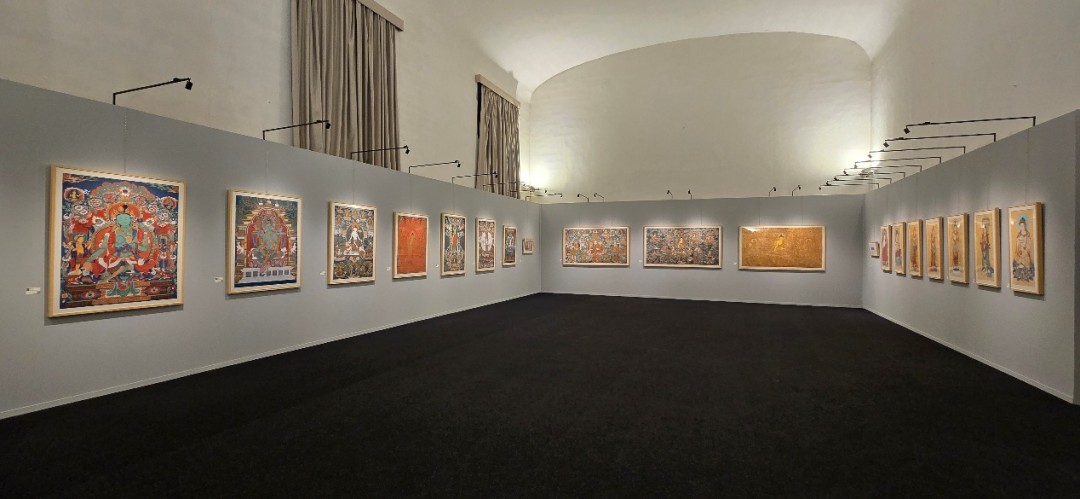
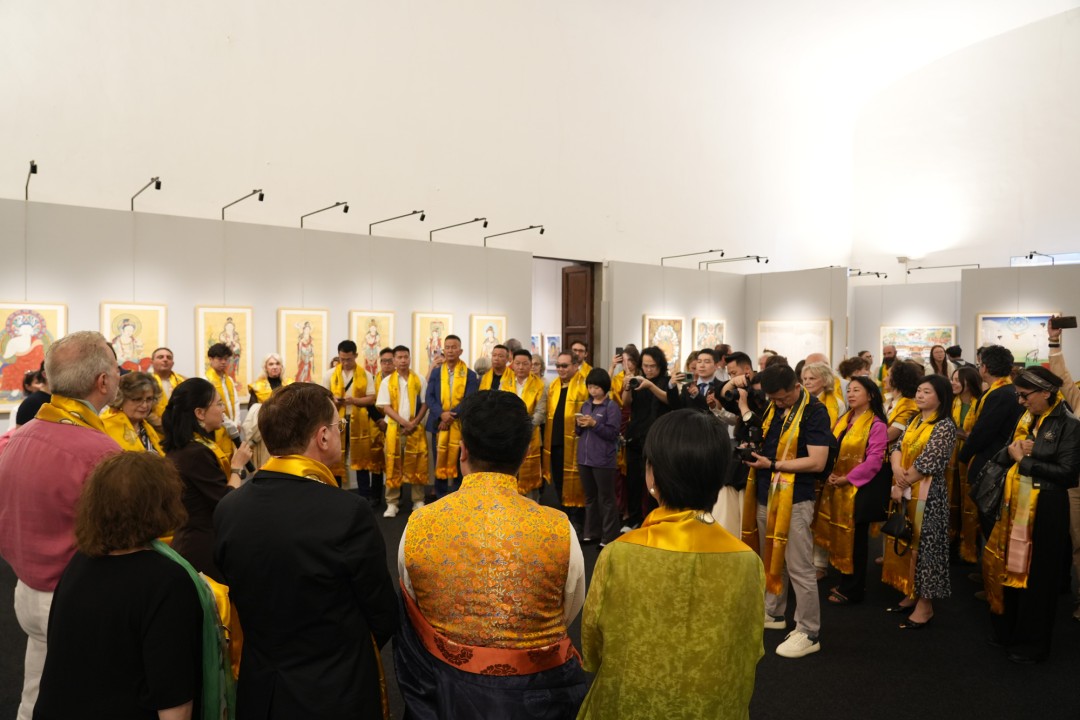
At the opening ceremony, Qi Yin, Consul General of China in Florence; Cristina Acidini, President of the Accademia delle Arti del Disegno; Donatella Rossi, Professor of Tibetology at the University of Rome; and other guests attended and delivered remarks. Exhibition curator Claudio Rocca, academic chair Paolo Sabbatini, Chinese curator Li Yuan, and artist Sangjicairang also spoke on themes including China-Italy cultural exchanges, the inheritance of thangka art, and mutual learning among civilizations. Guests noted that China and Italy are both ancient civilizations with long histories and splendid cultures. Art is an important bond connecting different civilizations, and they expressed the hope that the exhibition would further deepen cultural exchanges and cooperation between the two countries, strengthen people-to-people bonds, and promote mutual learning among civilizations.
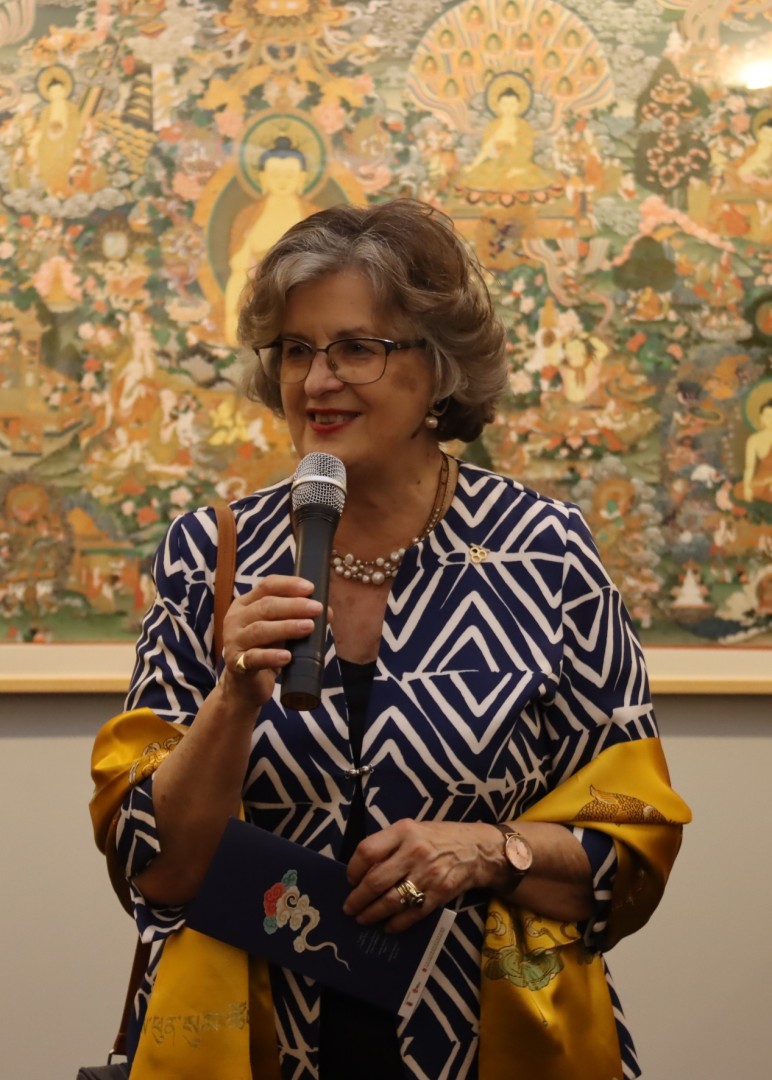
Cristina Acidini, President of the Accademia delle Arti del Disegno
She said that Sangjicairang’s works reveal the rich meaning of exchange and mutual learning between Eastern and Western civilizations.
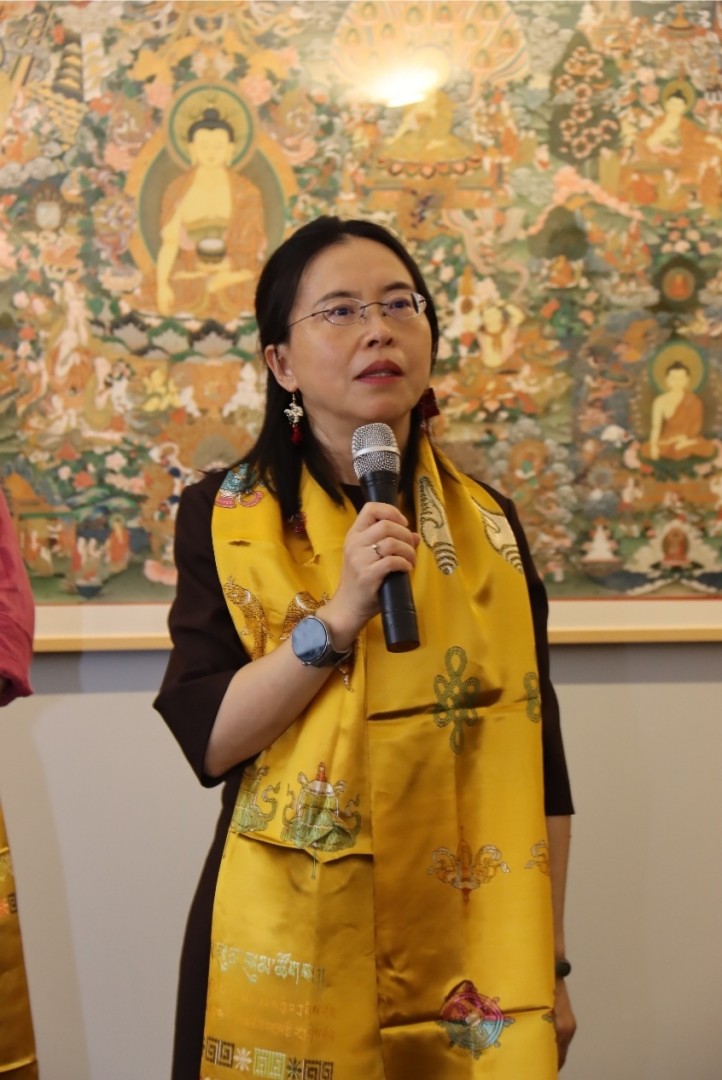
Qi Yin, Consul General of China in Florence
She said that thangka art and Renaissance art both embody the human pursuit of truth, goodness, and beauty, offering a vivid expression of exchange and mutual learning between Eastern and Western civilizations.
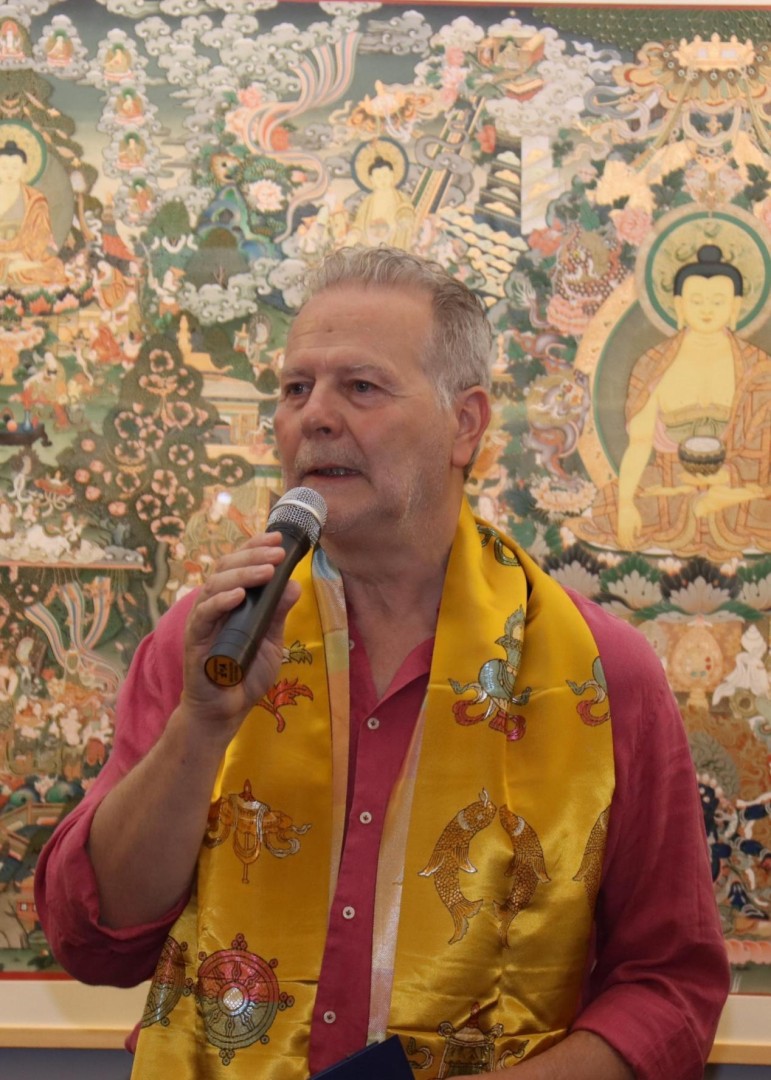
Claudio Rocca, Professor at the Florence Academy of Fine Arts and Curator of the Exhibition
He said that the exhibition is not only an artistic presentation, but also a dialogue on the spiritual world and the exchange of civilizations.
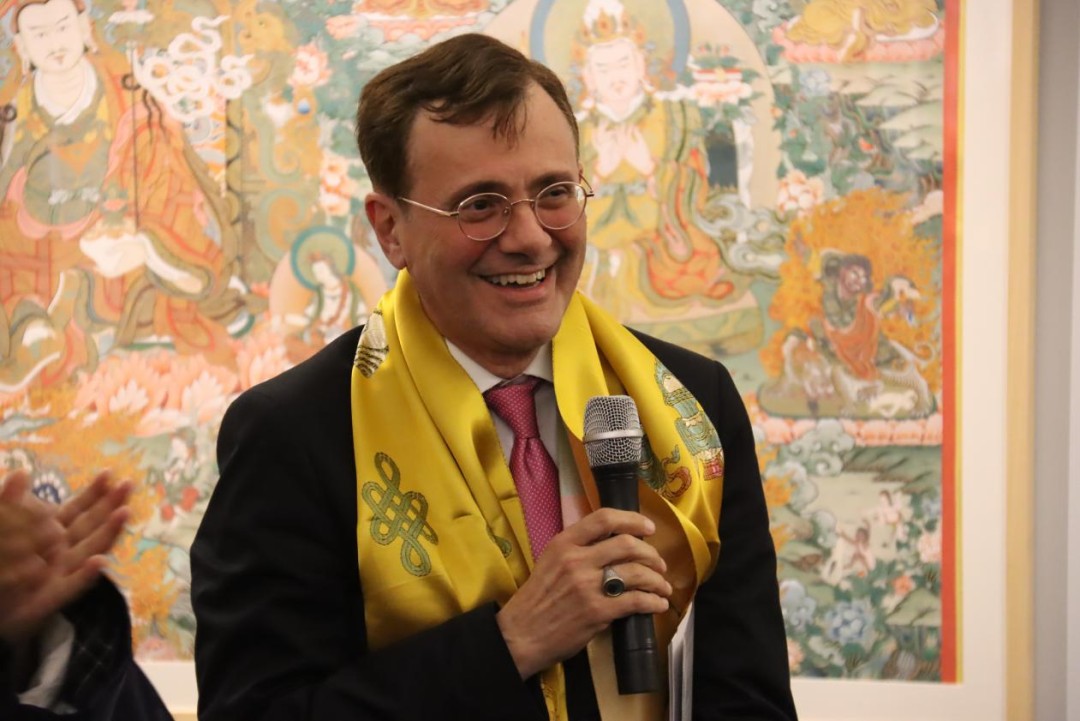
Paolo Sabbatini, former Counselor of the Italian Embassy in China
He said that the exhibition is a successful practice of China-Italy cultural exchange and cultural diplomacy. Thangka art demonstrates not only superb craftsmanship, but also profound spiritual meaning, making it an important bridge for exchanges and mutual learning among civilizations.
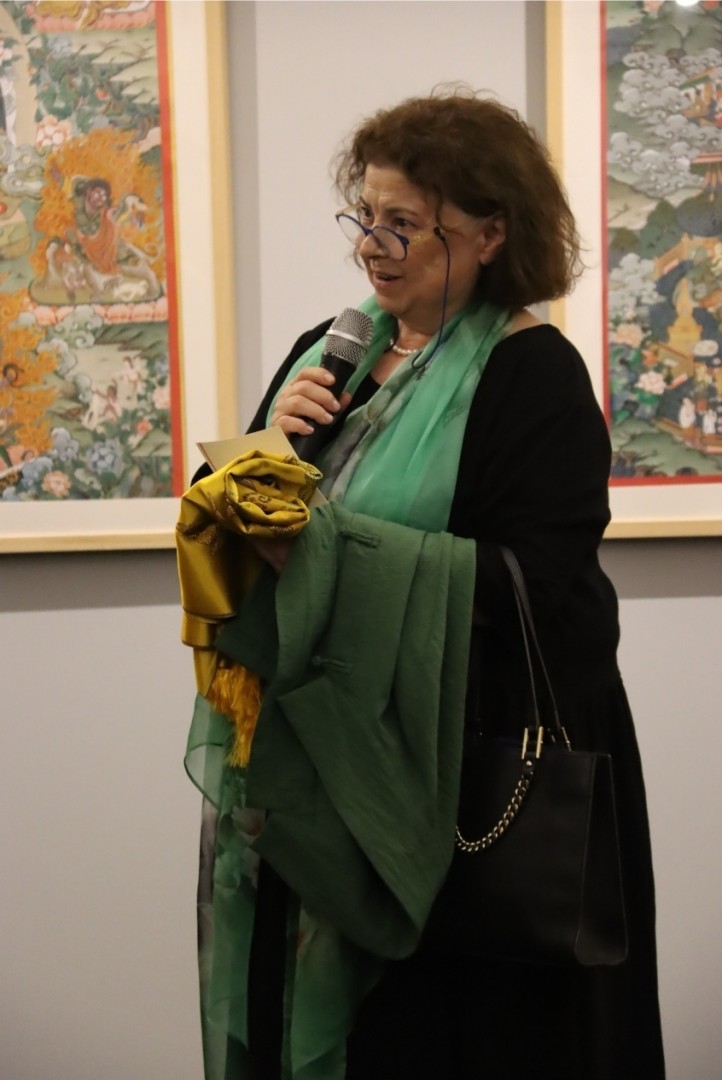
Donatella Rossi, Professor of Tibetology at the University of Rome, said:
While staying true to traditional painting techniques, Sangjicairang has actively explored innovative forms of expression, bringing new vitality to thangka art in the contemporary era.
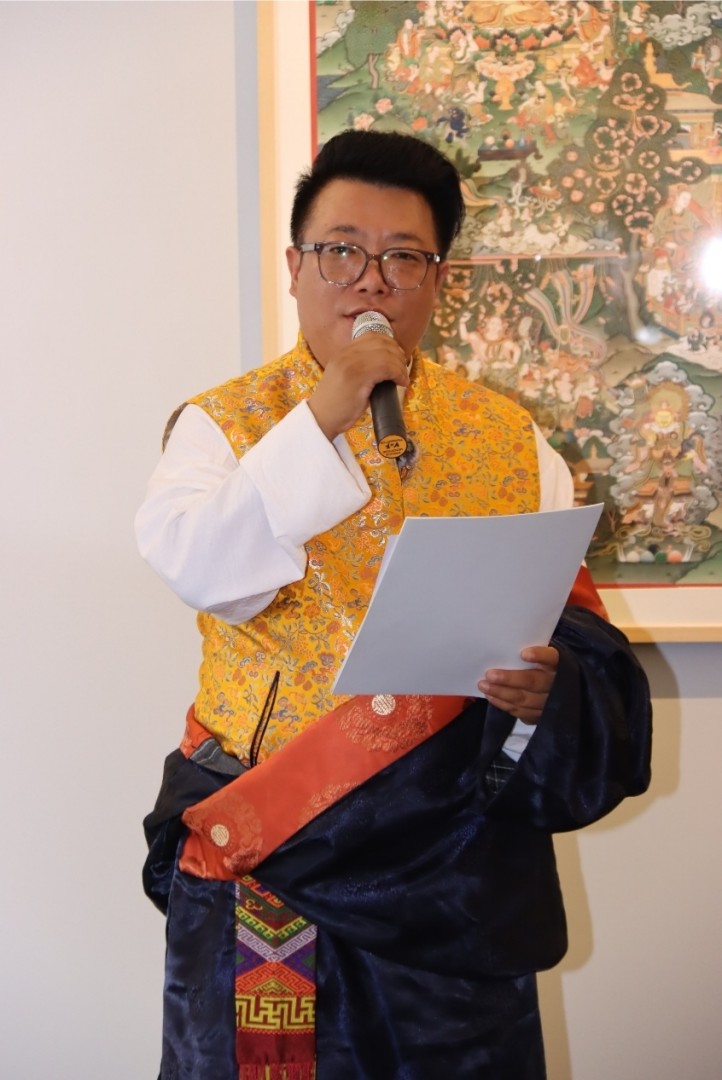
Artist Sangjicairang delivered remarks at the opening ceremony. He expressed the hope that thangka art would serve as a link to promote exchanges and mutual learning between Eastern and Western civilizations.
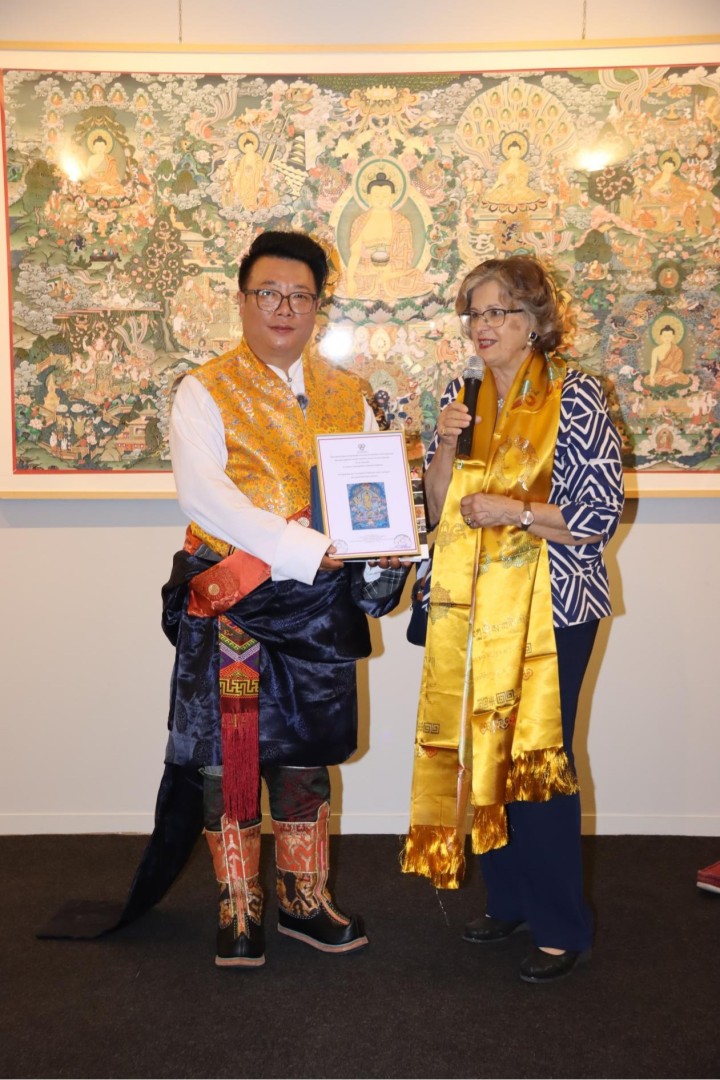
A ceremony for artwork donation and the exchange of commemorative gifts was held during the event. Sangjicairang, inheritor of the representative item of China’s national intangible cultural heritage known as Regong thangka painting techniques, donated the thangka work Manjushri Bodhisattva to the Accademia delle Arti del Disegno. Representatives of the Accademia accepted the donation and presented the artist with a donation certificate. In return, Cristina Acidini, President of the Accademia delle Arti del Disegno, presented Sangjicairang with a catalogue published by the Accademia, in appreciation of his contribution to promoting China-Italy cultural and artistic exchanges. Both sides said they hoped to take this exhibition as an opportunity to further deepen artistic cooperation and mutual learning between the two countries.
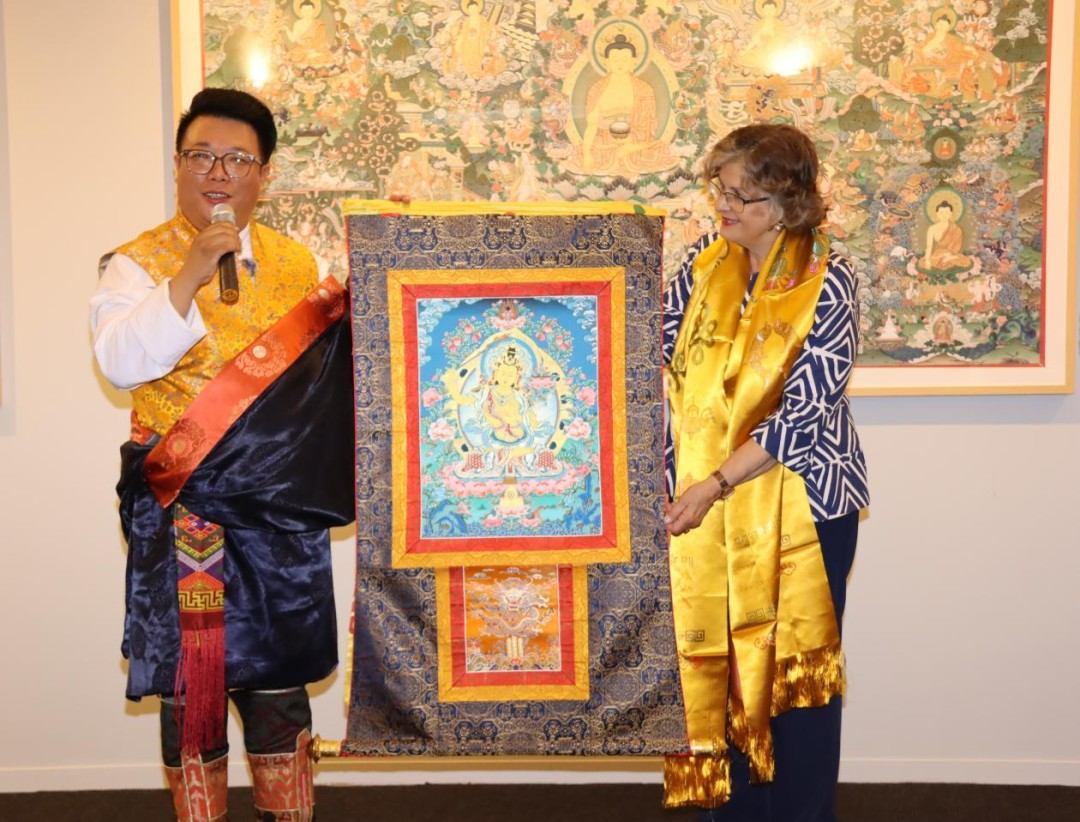
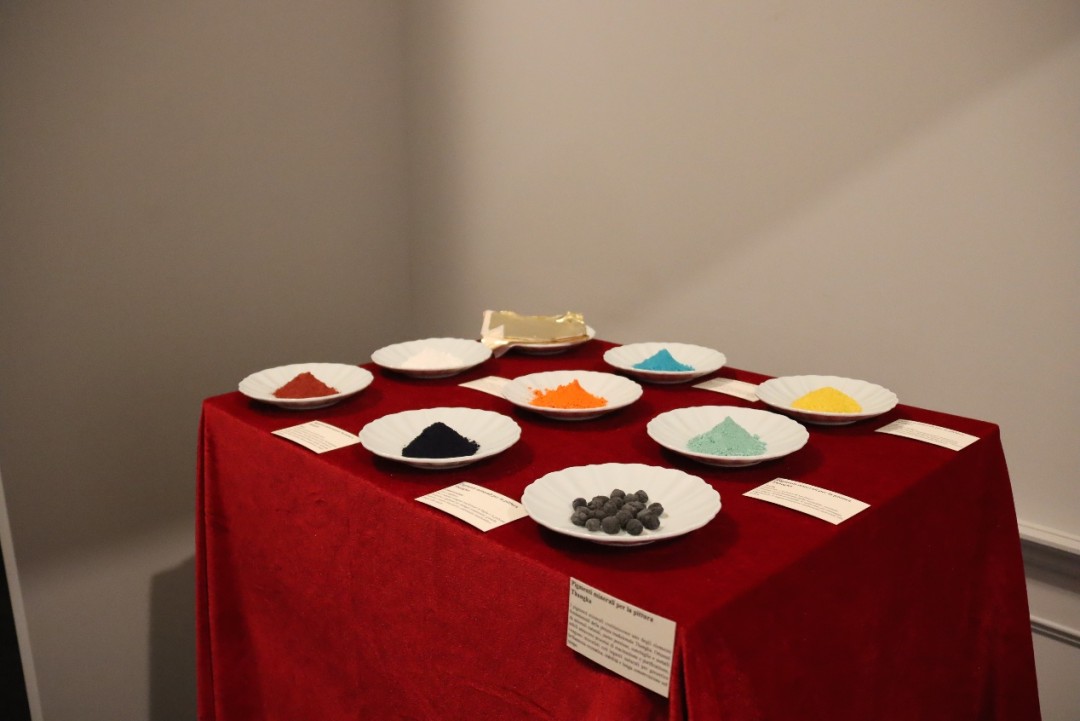
The exhibition brought together 36 thangka paintings created and collected by Sangjicairang, inheritor of Regong thangka painting techniques, a representative item of China’s national intangible cultural heritage, along with 16 traditional gau amulet boxes, thangka painting tools, and other precious exhibits. From the perspectives of art, history, folklore, and craftsmanship, the exhibition systematically presented the development and cultural value of Regong arts, showing the vigorous vitality of fine traditional Chinese culture in the new era.

In addition, during the event dinner, images of Qinghai’s natural scenery and cultural landscapes were presented to Italian audiences, introducing the distinctive ecological resources and cultural traditions of western China, further enriching the exhibition and deepening local understanding of Chinese culture and contemporary development.
As one of Europe’s most historically influential art institutions, the Accademia delle Arti del Disegno was founded in 1563 and is among the earliest art academies in the world. Holding the exhibition in this art institution with deep historical roots provided Italian audiences with an important window into traditional Chinese art and created a new platform for advancing China-Italy cultural exchange and academic cooperation.
In addition to traditional subjects, the exhibition also featured several innovative works that integrate contemporary reflection and cross-cultural perspectives. “Dialogue between Confucius and Socrates - Beauty Shared in Harmony” centers on a cross-temporal dialogue between two thinkers from East and West, presenting exchange and mutual learning between different civilizations. “The Thangka Iconometric Canon and Leonardo da Vinci’s Aesthetic Anatomy - Measure” explores the shared values between Eastern and Western artistic traditions from the perspective of artistic proportion and aesthetic principles. “Peace,” inspired by the Olympic spirit, is developed around the concepts of excellence, respect, solidarity, equality, and peace. Through artistic expression that combines traditional techniques with contemporary themes, the exhibition presented the innovative vitality of fine traditional Chinese culture in the context of the new era.
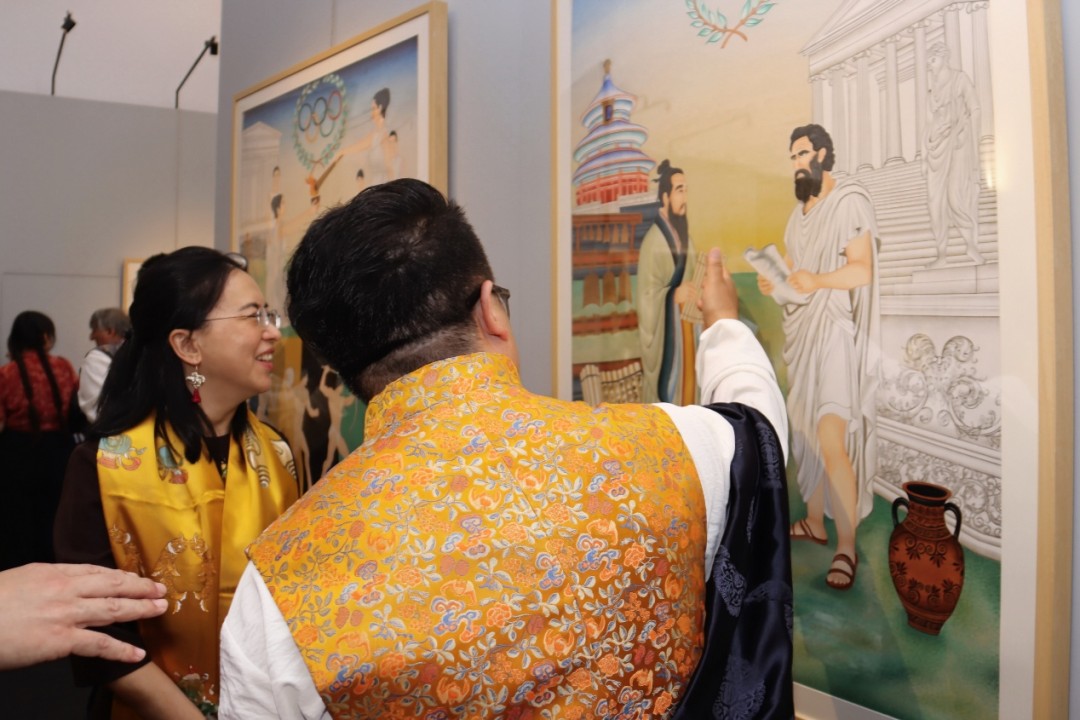
Dialogue between Confucius and Socrates - Beauty Shared in Harmony
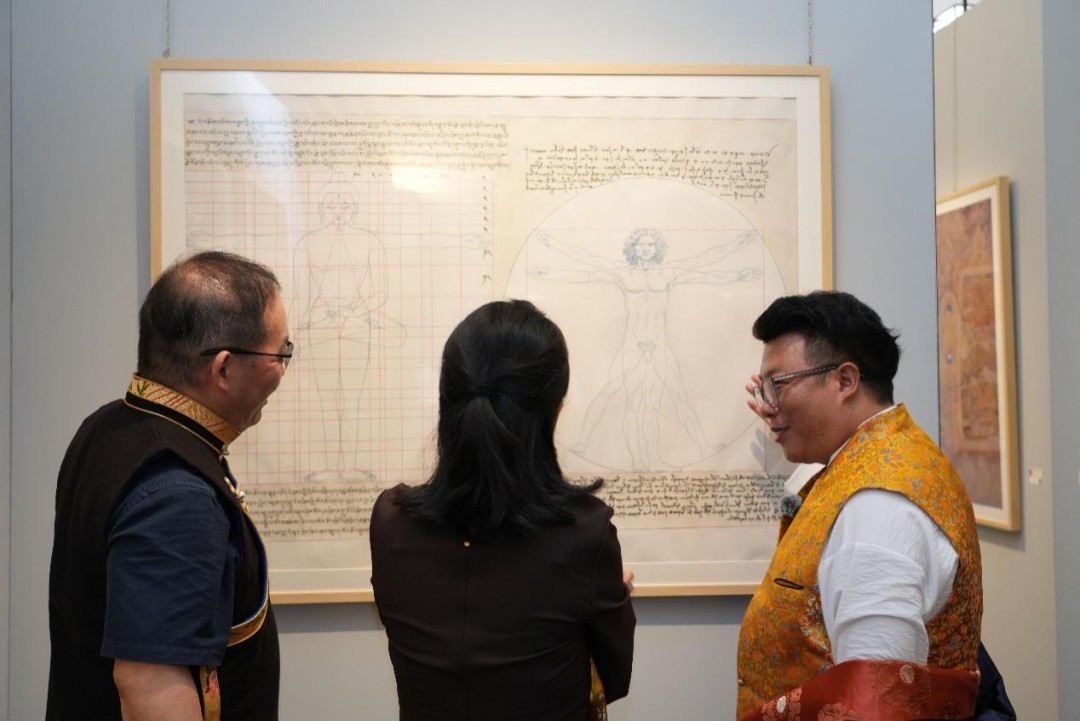
Leonardo da Vinci’s Golden Ratio and Menla Dondrup’s Iconometric Canon for Sacred Images
The chief curator of the exhibition was Professor Claudio Rocca of the Florence Academy of Fine Arts; the academic chair was Paolo Sabbatini, former Counselor of the Italian Embassy in China; the Chinese curator was Li Yuan; and the executive curators were Keyu Gu, a graduate student in exhibition design at the Florence Academy of Fine Arts, and Sanzhi and Guoqing Cao, disciples of Master Sangjicairang. The curatorial team expressed the hope that the exhibition would build an artistic bridge across regions and cultures, allowing more international audiences to gain an in-depth understanding of the aesthetic spirit and philosophical wisdom contained in fine traditional Chinese culture.
Regong arts originated in Huangnan Tibetan Autonomous Prefecture, Qinghai Province, China, and are an important component of fine traditional Chinese culture. In 2009, “Regong arts” were inscribed on UNESCO’s Representative List of the Intangible Cultural Heritage of Humanity. As one of its most representative art forms, Regong thangka is known at home and abroad for its exquisite painting techniques, rigorous artistic system, and profound cultural meaning, becoming an important cultural symbol that showcases the unique charm of Chinese civilization.
In recent years, China has continued to promote the creative transformation and innovative development of fine traditional Chinese culture, constantly strengthening the reach and influence of Chinese civilization. More and more cultural achievements with Chinese characteristics, reflecting the Chinese spirit and embodying Chinese wisdom, have moved onto the international stage and demonstrated contemporary value through exchanges and mutual learning among civilizations. This Regong thangka art exhibition is an active practice in the international dissemination of China’s intangible cultural heritage, as well as an important exploration of telling China’s stories well, spreading China’s voice, and presenting a true, multidimensional, and comprehensive image of China.
Florence is an important birthplace of the European Renaissance and a major landmark in world art history. Founded in 1563, the Accademia delle Arti del Disegno is one of the oldest art institutions in Europe. The arrival of traditional Chinese thangka art in this art institution with deep historical roots is not only an artistic presentation, but also a dialogue of exchange across time, space, and civilizations.
In recent years, China and Italy have continued to strengthen exchanges and cooperation in the cultural field. From cultural relic exhibitions and art education to academic research, the two sides have continuously expanded the scope of cooperation and played a positive role in promoting mutual understanding between the peoples of the two countries and mutual learning among civilizations. The holding of this exhibition is another vivid example of the deepening cultural exchange between China and Italy.
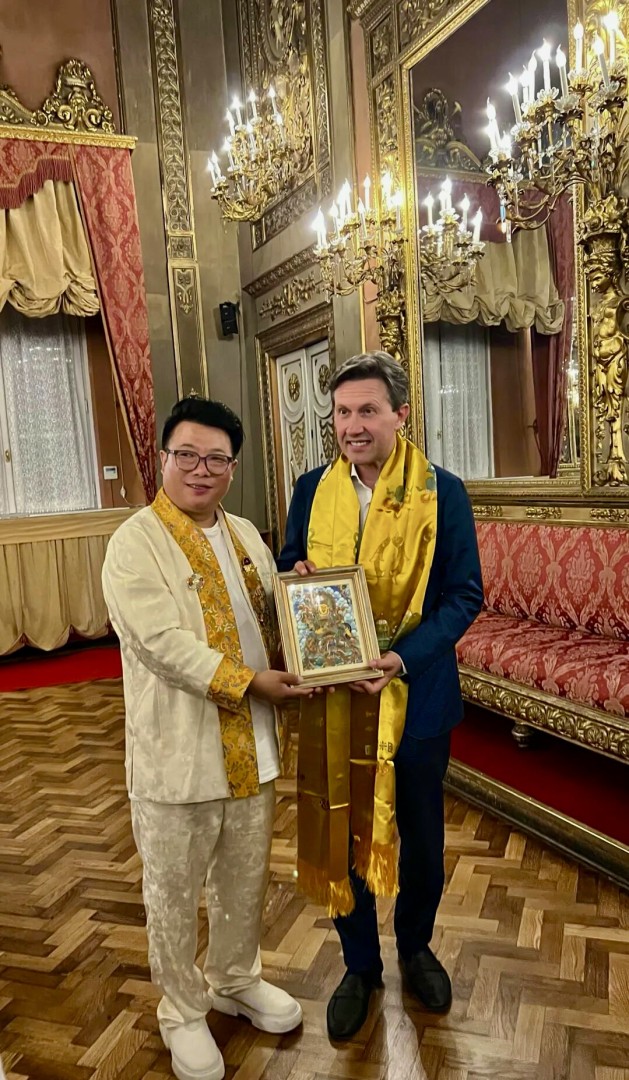
After the opening ceremony, a dinner was held at the renowned Palazzo Borghese. In this elegant building carrying the memories of Florence’s nobility, a pleasant cocktail hour offered Chinese and foreign guests a relaxed atmosphere for exchange. Amid the clinking of glasses, participants engaged in in-depth conversations on thangka art, Eastern and Western aesthetics, and China-Italy cultural exchange. Dario Nardella, Member of the European Parliament and former Mayor of Florence, was specially invited to attend. Sangjicairang presented Mr. Nardella with a golden khata and gifted him a thangka and a catalogue. In Tibetan culture, the khata is a symbol of deep respect and good wishes, and the gesture also embodied the profound friendship between the peoples of China and Italy.
Media Contact
Company Name: Shanghai Euro Travel Culture Technology Co., Ltd.
Contact Person: Aiwen Wu
Email: Send Email
City: Shanghai
Country: China
Website: https://www.euraa.cn/