Hail is a fact of life in North Texas, and Mansfield sits squarely inside one of the most active hail corridors in the country. Every spring, storms roll across Tarrant, Johnson, and Ellis counties carrying stones from pea sized to baseball sized, and every spring thousands of roofs absorb impacts that shorten their lives whether or not anything looks wrong from the driveway. Hail damage is deceptive that way. A stone large enough to bruise a shingle crushes the granules that protect the asphalt underneath, fractures the mat that gives the shingle its integrity, and opens the door to leaks that may not appear for months or even a year or two. The homeowner who walks the yard after the storm, sees no missing shingles, and concludes the roof survived is often wrong, and the error costs money in two directions: the roof deteriorates ahead of schedule, and the window for an insurance claim quietly closes. Homeowners insurance exists for exactly this event, and hail claims are among the most common property claims filed in Texas, but the claim process rewards people who understand it and punishes people who improvise. Knowing the sequence before the storm arrives is worth more than any amount of scrambling afterward, because the decisions that shape a claim get made in its first days, usually by whoever prepared.
The process has three natural phases, and this article walks through them in order. The first is the immediate response, the 48 hours after the storm when documentation, damage mitigation, and a professional inspection set the foundation for everything that follows. The second is the claim itself, from filing through the adjuster's visit to the settlement, including the vocabulary that confuses most first time claimants: actual cash value, replacement cost, recoverable depreciation, and deductibles, along with the options when a claim comes back underpaid or denied. The third is the contractor decision, which in a post storm environment means navigating the wave of out of town storm chasers that follows every major hail event, understanding what Texas law says about deductibles, and knowing what a quality insurance funded roof replacement actually looks like. Mansfield homeowners who handle all three phases well typically end the process with a properly restored roof, a fair settlement, and documentation that protects them at the next sale or renewal. The ones who stumble usually stumble early, which is why the first phase deserves the most attention.
What to Do in the First 48 Hours After a Hail Storm Hits Your Roof
The hours and days immediately after a hail storm shape the entire claim, because this is when evidence is freshest, when further damage is preventable, and when the biggest early mistakes get made. The right sequence is short: document, protect, and get professional eyes on the roof before making any final decisions about the claim. A reputable roofer Mansfield homeowners already know and trust is the natural partner in this phase, since the inspection that determines whether a claim is even warranted requires someone qualified to walk the roof safely and read hail damage correctly. The sections below cover the three tasks in order: building the documentation record, handling emergency protection, and getting the inspection that turns guesswork into evidence.
Documenting Hail Damage With Photos, Dates, and Storm Reports
Documentation starts the moment the storm passes, and the goal is a record that ties specific damage to a specific date. Photograph everything from the ground first: hailstones themselves, ideally next to a coin or tape measure for scale, accumulation on the lawn and driveway, and the visible casualties around the property, including dented gutters and downspouts, damaged window screens, cracked or splattered paint on fences and decks, dinged mailboxes, and pockmarked air conditioner fins. These ground level items matter more than homeowners expect, because they corroborate the storm's intensity at the property, and adjusters read them as supporting evidence for what happened on the roof. Note the date and approximate time of the storm, and save any local news coverage or weather service reports of the event, since published hail reports for the area anchor the claim to a documented occurrence. Interior documentation belongs in the record too, with photographs of any water stains, drips, or ceiling damage that appear afterward, each dated. None of this requires climbing on the roof, and none of it should; the ground level record is the homeowner's job, and the rooftop record belongs to a professional with the safety equipment and the trained eye.
The reason the date matters so much is that insurance policies run on clocks. Texas homeowners policies typically require that claims be filed within a stated period after the date of loss, commonly one year for wind and hail under many policies, sometimes longer, and the practical clock is often shorter than the legal one because damage becomes harder to attribute as seasons pass. A roof that took hail in April and gets inspected the following March presents a muddier picture than the same roof inspected in May, since weathering, subsequent storms, and ordinary aging blur the evidence, and insurers scrutinize late claims accordingly. Mansfield's storm frequency compounds the attribution problem, because a roof left unexamined through two or three hail seasons may carry overlapping damage from multiple events, and sorting out which storm caused what becomes genuinely difficult for everyone involved. The lesson is not panic; it is promptness. A roof that experienced a significant hail event deserves an inspection within days or weeks, not seasons, and the documentation gathered in that window is worth many times the same effort expended a year later.
The documentation habit also protects against a subtler problem, which is the gap between what a homeowner can see and what actually happened. Hail damage to composition shingles frequently produces no debris in the yard and nothing visible from the ground: the classic signature is a bruise, a soft spot where the impact crushed granules into the mat and fractured it, detectable by hand and eye at roof level and invisible from below. Metal components tell the story more honestly, which is why inspectors check the soft metals first, reading dents in vents, flashing, and gutters as a gauge of stone size and impact density. Skylights, chimney caps, and ridge vents carry their own evidence. A homeowner who documents the ground level signs and then assumes the shingles are fine because none blew off has documented half the story and drawn the wrong conclusion from it. The full story requires the roof level inspection covered below, and the ground record's job is to justify and corroborate it, not replace it.
Emergency Tarping and Preventing Further Damage After the Storm
Protection comes next, and it matters both practically and contractually. Every homeowners policy imposes a duty to mitigate, meaning the policyholder must take reasonable steps to prevent further damage after a loss; a hail hole that leaks for three weeks because nobody covered it produces interior damage the insurer can argue was preventable, and coverage disputes over post storm neglect are common enough to take seriously. The practical response after a storm that produced visible damage or active leaking is emergency tarping and temporary sealing, performed promptly and documented with photographs before and after. This is professional work in most cases, since walking a hail damaged roof is hazardous, and reputable local companies run emergency response for exactly this need; around Mansfield, 24/7 emergency response is a stated service at established firms. Keep every receipt, because reasonable costs of temporary repairs and mitigation are generally reimbursable as part of the claim. What temporary protection should not become is permanent, and a tarp entering its third month is a sign the claim process has stalled somewhere and needs pushing.
Mitigation has boundaries worth respecting, and the biggest one is the line between protecting the roof and repairing it. Permanent repairs performed before the insurance adjuster inspects can destroy the evidence the claim depends on, since a patched slope no longer shows what the storm did, and insurers are entitled to inspect the damage as it occurred. The correct sequence keeps temporary measures obviously temporary, tarps, plastic, and sealant at active leaks, photographs everything first, and saves permanent restoration for after the claim is resolved or at least after the adjuster has documented the loss. Interior mitigation follows the same logic: move belongings out of drip zones, catch water, dry what got wet to prevent mold, and photograph the damage before cleaning it up. Homeowners should also resist the post storm urge to send anyone onto the roof casually, including themselves, neighbors, and the unsolicited door knocker offering a free look, both for safety and because an untrained walk across bruised shingles can add scuffing that complicates the evidence. The roof after a hail storm is best treated as a scene to be documented by qualified people in a deliberate order.
The temporary period is also the right time to review the policy itself, calmly and before any deadline pressure. The declarations page answers the questions that shape the entire claim: the deductible, which for wind and hail in Texas is commonly a percentage of the dwelling coverage rather than a flat amount, often 1 to 2 percent, meaning a home insured for 400,000 dollars may carry a 4,000 to 8,000 dollar hail deductible; whether the roof is covered at replacement cost or actual cash value, a distinction worth thousands that is explained in the claim section below; and any roof specific endorsements, exclusions, or payment schedules that some carriers have added in recent years as hail losses mounted. Homeowners who discover an actual cash value roof endorsement or a steep percentage deductible learn something important about whether and how to claim, and learning it before filing beats learning it from the settlement letter. The policy review costs nothing, takes an evening, and converts the claim from a mystery into a process with known parameters.
Scheduling a Professional Roof Inspection Before Calling Your Insurer
The professional inspection is the hinge of the whole first phase, because it answers the question everything else depends on: is there claimable damage, and how much. A qualified roofing inspection after a hail event covers the shingles slope by slope, checking for bruising, granule loss exposing black asphalt, fractured mats, and impacts at the vulnerable points; the soft metals, reading vents, flashing, and gutters for the dent pattern that gauges the storm; the collateral items, including skylights, chimney components, window screens and wraps, fascia, and painted surfaces; and the interior evidence in the attic where daylight or moisture staining betrays penetrations. A thorough inspection produces a photo documented report, often dozens of images with locations noted, and an honest verdict, which sometimes is that the damage does not justify a claim. That honest no is valuable, since filing marginal claims consumes a claim slot in the household's history and rises against future premiums without producing a roof. The inspection should be free from established local companies, and the report belongs to the homeowner either way.
The order of operations here matters more than most homeowners realize: the professional inspection is best obtained before filing the claim, not after. Filing first, on the theory that the insurance company's adjuster will find whatever exists, hands the entire evidentiary record to one inspection performed by the carrier's representative, and if that inspection is hurried or conservative, the homeowner has no independent record to compare it against. Inspecting first produces the opposite position: the homeowner knows what a qualified roofer found, slope by slope and photo by photo, before deciding whether to file, and enters the adjuster meeting with an independent damage assessment in hand. The pre claim inspection also protects against the opposite error, filing a claim for a roof that turns out to have no claimable damage, which wastes a claim history entry on nothing. The sequence costs a few days and changes the homeowner's footing for the entire process, which is why experienced storm restoration companies structure their service around the free inspection first and the claim recommendation second.
Choosing who performs that first inspection sets up the contractor decision covered later, and one screening question does most of the work: is this a local, established company that will exist here in five years, or a name that appeared after the storm. The post storm environment fills with both, and the inspection stage is where the difference starts to matter, since the inspector's documentation quality, honesty about marginal damage, and willingness to meet the adjuster later all flow from the company behind them. Local establishment is checkable in minutes through a physical address in the area, years in business, reviews accumulated across seasons rather than weeks, manufacturer credentials, and standing with the Better Business Bureau. A company that inspects for free, documents thoroughly, tells the truth when damage does not warrant a claim, and offers to be present for the adjuster's visit is demonstrating the habits the rest of the process requires. That is the company to have found before the storm, and the second best time to find it is the week after.
How the Roof Insurance Claim Process Works in Texas
With documentation gathered, protection in place, and an inspection report in hand, the claim itself begins, and this phase runs on the insurer's process with the homeowner's participation. Understanding the machinery removes most of its intimidation: a claim is filed, an adjuster inspects, an estimate and settlement follow, and payment arrives in stages tied to the policy's terms. The homeowner's leverage in this phase comes from preparation, and a knowledgeable local roofer Mansfield residents bring into the process early can attend the adjuster inspection, speak the estimating language carriers use, and document any gap between what the adjuster scoped and what the roof actually needs. The sections below walk through filing and the adjuster visit, the settlement vocabulary that determines the check amounts, and the options when the numbers come back wrong.
Filing the Claim and Preparing for the Insurance Adjuster's Visit
Filing the claim is straightforward mechanically, a call to the carrier or a submission through its app or portal, and preparation makes it productive. Have the policy number, the storm date, the ground level documentation, and the inspection report ready, and describe the loss factually: hail on the stated date, damage documented by inspection to roof and collateral items, temporary protection performed where applicable. The carrier assigns a claim number and schedules an adjuster inspection, typically within days to a couple of weeks depending on how widespread the storm was, and Texas prompt handling rules require carriers to acknowledge and move claims within defined timeframes. Two habits serve the homeowner from the first call onward. First, keep a claim log, a simple running record of every call, name, date, and commitment, because claims span weeks and details slip. Second, put substantive communications in writing where possible, since the email trail resolves later disagreements that memories cannot. Neither habit signals distrust; both are ordinary business practice for a transaction that may be worth twenty or thirty thousand dollars.
The adjuster inspection is the central event of the claim, and the single most valuable move available to a homeowner is having their chosen roofing contractor present for it. The adjuster is typically competent and often fair, and is also inspecting quickly, sometimes many roofs per day in a storm's aftermath, working for the carrier, and scoping the loss in an estimating system whose line items determine the settlement. A contractor at the meeting walks the roof alongside the adjuster, points out the damage documented in the earlier inspection, speaks the same line item language, and advocates for a complete scope on the spot, which is far easier than adding items after the estimate is written. Discrepancies get discussed at roof level with the evidence underfoot rather than argued later by email. Homeowners arrange this simply by scheduling the adjuster visit at a time the contractor can attend, and established storm restoration companies treat the accompaniment as standard service. An adjuster meeting attended by a prepared contractor with a photo documented inspection report is a fundamentally different event than one where the homeowner stands in the yard hoping.
The scope that emerges from the inspection deserves scrutiny before it becomes the settlement, because completeness is where money is won and lost. A hail loss is rarely just shingles: a complete scope commonly includes underlayment, drip edge, flashing, vents, pipe jacks, ridge components, and starter courses, plus the collateral items the storm hit, including gutters and downspouts, window screens and wraps, fascia and paint, fencing, and outbuildings. Code upgrade items matter in older homes, since Texas municipalities enforce current code at reroofing, and policies with ordinance or law coverage pay for the required upgrades, items an incomplete scope simply omits. Matching questions arise when only some slopes are damaged, and discontinued shingle colors can turn a partial approval into a full replacement conversation. None of this is exotic; it is the difference between an estimate written from a quick walk and one written from a thorough inspection, and the homeowner's contractor exists to reconcile the two. The scope review, line by line against the independent inspection report, is the quiet step that determines whether the settlement funds a complete restoration or leaves the homeowner paying for the gaps.
Understanding Your Settlement: ACV, RCV, Depreciation, and Deductibles
The settlement arrives wrapped in vocabulary, and four terms carry most of the meaning. Replacement cost value, RCV, is what it costs to replace the roof with like materials at current prices. Actual cash value, ACV, is that number minus depreciation, the deduction for the age and wear of the roof being replaced. The deductible is the homeowner's share, subtracted from the payment, and for Texas hail claims it is commonly a percentage of the dwelling coverage. Recoverable depreciation is the bridge between the two values on a replacement cost policy: the carrier initially pays the ACV amount, holds back the depreciation, and releases that holdback after the work is completed and documented, which is why replacement cost claims pay in two checks. A worked example makes it concrete: a 24,000 dollar RCV roof on a policy with a 4,000 dollar deductible and 6,000 dollars of depreciation produces a first check of 14,000 dollars, a second check of 6,000 dollars after completion, and a homeowner responsibility of the 4,000 dollar deductible. Homeowners who understand this arithmetic before the first check arrives are inoculated against both confusion and the occasional bad actor who exploits it.
The RCV versus ACV distinction in the policy itself is worth flagging separately, because it is the difference between a restored roof and a partially funded one. A replacement cost policy makes the homeowner whole, paying the full current cost of replacement once the work is done, subject to the deductible. An actual cash value policy, or an ACV roof endorsement added to an otherwise RCV policy, pays only the depreciated value, and on an aging roof the depreciation is severe: a fifteen year old roof with a twenty five year expected life may be depreciated by more than half, leaving the homeowner to fund the difference out of pocket. Carriers have moved portions of the Texas market toward ACV roof coverage and roof payment schedules in response to hail losses, and many homeowners do not discover their roof's coverage basis until claim time. The discovery belongs at policy review, ideally at every renewal, where the premium savings of an ACV endorsement can be weighed against the exposure it creates in a hail corridor. For claim purposes, the coverage basis shapes strategy from the start, and the contractor and homeowner should both know it before scoping decisions get made.
Payment logistics carry a few practical wrinkles worth knowing in advance. Homes with mortgages usually find the lender named on the claim check, since the lender holds an interest in the property, and endorsing and processing the check through the mortgage company's loss draft department adds days or weeks that should be built into the schedule. The two check structure of RCV claims means the project is partially funded at signing and completed before the depreciation releases, which is normal and manageable with an established contractor and a clear contract, and it is also the structure that under capitalized operators struggle with, one more argument for contractor stability. Supplements are the final mechanism to understand: when legitimate items surface during the work, including rotten decking discovered under the old shingles or code items the original scope missed, the contractor documents them and submits a supplement to the carrier for the addition, a routine process in insurance restoration. A homeowner who understands checks, holdbacks, lender endorsements, and supplements can read the project's financial flow instead of being surprised by it.
What to Do If Your Hail Damage Claim Is Underpaid or Denied
Underpaid and denied claims happen, and the response options run in an escalating sequence. The first step is almost always more evidence, because most disputes are evidence disputes: a re inspection request supported by the contractor's photo documentation, additional documentation of the storm date and intensity, and a line item comparison between the carrier's estimate and the contractor's puts the disagreement in concrete terms, and carriers routinely revise scopes when shown specific documented gaps. The second step for valuation disputes is the appraisal provision most Texas policies contain, a structured process where each side appoints an appraiser and an umpire resolves differences, useful when the disagreement is about amount rather than coverage. Public insurance adjusters, licensed professionals who represent policyholders for a percentage of the settlement, are an option on large or badly handled claims. Beyond that sit complaints to the Texas Department of Insurance, which regulates claim handling practices, and consultation with an attorney for the rare claim that warrants it. Most disputes resolve at the first step, which is one more return on the thorough independent inspection performed back at the beginning.
Tone and posture matter throughout a dispute, and the productive version is firm, factual, and documented rather than adversarial. Carriers process enormous volumes of hail claims in this region, and the files that get corrected quickly share traits: specific line item comparisons instead of general complaints, photographs tied to locations, dates and names in every communication, and requests framed as documentation review rather than accusation. The homeowner does not need to become an expert; the contractor supplies the technical case, and the homeowner supplies the persistence and the paper trail. It also helps to know what the timeline should feel like, since Texas prompt payment rules put carriers on defined clocks for acknowledging, deciding, and paying claims, and a file that sits silent past those windows is itself a documented problem worth raising. Most claims in a normal storm season resolve without any of the escalation machinery, and most of the remainder resolve at re inspection. The escalation ladder exists for the exceptions, and knowing it exists changes the homeowner's posture even when it never gets used, because a policyholder who understands the options negotiates from knowledge instead of frustration.
Denials deserve their own note, because a denial letter is a position, not a verdict. Common denial grounds include attribution, with the carrier calling the damage wear and tear or an older storm rather than the claimed event; late notice, where the filing fell outside the policy's window; and maintenance exclusions on roofs with preexisting conditions. Each ground meets specific evidence: attribution meets the dated documentation and storm reports gathered in the first 48 hours, late notice meets the actual policy language and filing timeline, and condition arguments meet the inspection record and any prior maintenance documentation. This is where the early phase pays off most visibly, since the homeowner who documented promptly and inspected early holds the evidence a dispute requires, while the homeowner who waited a year holds assertions. Re inspections with the contractor present resolve a meaningful share of denials, and the escalation ladder above stands behind that. The practical guidance is simply not to treat the first letter as the last word when the evidence says otherwise, and not to manufacture a dispute when the evidence says the carrier is right.
Choosing a Roofing Contractor for Insurance Restoration Work
The final phase is choosing who performs the restoration, and in a hail market this decision has its own hazards. Every major storm pulls a wave of out of town operators into the affected neighborhoods, canvassing door to door, promising fast approvals and free roofs, and disappearing before the warranty ever gets tested. Texas compounds the exposure because the state does not license roofing contractors, which places the vetting burden entirely on the homeowner. The stakes are real, since the contractor choice determines the quality of the roof, the smoothness of the claim, and whether the warranty means anything in year three. The sections below cover the three decisions that matter: separating storm chasers from established local companies, understanding what Texas law says about deductibles and why the free roof pitch is a legal problem, and knowing what a quality insurance funded replacement looks like from materials through final walkthrough.
Storm Chasers vs Local Roofing Companies After a Mansfield Hail Storm
The storm chaser pattern is recognizable once described. Within days of a significant hail event, crews from out of the region blanket the affected zip codes, knocking doors with urgency scripts: sign today, the insurance money is easy, the inspection is free right now. The business model is volume and velocity, signing as many assignments as possible, installing quickly with whatever labor is available, and moving to the next storm market before problems surface, and the problems do surface, in workmanship shortcuts invisible from the street, in warranties backed by a phone number that stops answering, and sometimes in outright abandonment after the first insurance check. The contrast test is simple and local: a physical address in the area, years of operation across seasons, reviews that predate the storm, manufacturer certifications that require track records, and BBB accreditation with history. Around Mansfield, an established company shows years of local work, an A+ BBB rating, and preferred contractor standing with major manufacturers such as IKO and Owens Corning, credentials that cannot be assembled in a parking lot the week after a storm. The door knocker is not automatically dishonest, but the burden of proof runs against anyone whose local history starts with the hail.
The vetting checklist for an insurance restoration contractor is short and checkable in an afternoon. Verify the physical location and how long the company has operated there. Read the review record for depth and span, looking for insurance claim experiences specifically, since restoration work has its own competencies. Confirm insurance certificates, both general liability and workers compensation, because an uninsured crew's injuries and damage become the homeowner's problem. Check manufacturer credentials, which matter twice: they screen for competence, and they unlock the enhanced material warranties that only credentialed installers can register. Ask about the labor warranty in writing, with an established local benchmark being multi year coverage such as a four year labor warranty on replacement work. Ask who will be on site and who supervises. And ask directly about insurance claim process support, including adjuster meeting attendance and supplement handling, since that support is half the value in a claim funded project. A contractor who answers all of this readily and in writing is the kind the process needs; hesitation on any item is information too.
Contract and payment hygiene protect the homeowner through the project itself. The contract should specify the full scope matching the approved insurance estimate plus any agreed additions, the materials by manufacturer and product line, the price, the payment schedule, the labor warranty terms, and the cleanup and magnetic sweep obligations, all in writing before work begins. Payment should follow work, with reasonable structures tying money to material delivery and completion milestones; the demand for large payment before anything happens is the classic pre abandonment signature. Assignment of benefits arrangements, where the homeowner signs claim rights over to the contractor, deserve caution and careful reading, since Texas has seen abuse of these instruments. Permits are the contractor's job where the municipality requires them, and the homeowner should confirm rather than assume. None of this is adversarial; established companies operate this way by default, and the paperwork protects both sides. The homeowner's file at project end should hold the contract, the insurance estimate and correspondence, the material and labor warranties, and the final invoice, a package that serves at every future sale and claim.
Why Paying Your Deductible Matters Under Texas Law
Texas law speaks directly to one recurring post storm pitch, and every homeowner should know it: since 2019, it is illegal in Texas for a contractor to pay, waive, absorb, rebate, or otherwise offset a policyholder's insurance deductible, and the same statute requires insurers to see proof the deductible was paid before releasing recoverable depreciation. The free roof offer, where the contractor promises to eat the deductible, is therefore not a discount; it is an inducement to violate state law, and the mechanics make the homeowner a participant, since covering a deductible invisibly requires inflating the claim or misrepresenting the contract price to the carrier, which is insurance fraud territory. The practical consequences land on the homeowner too, including a carrier that refuses to release depreciation without deductible payment proof and exposure in any later dispute. The deductible is the homeowner's contractual share of the loss, set by the policy they purchased, and legitimate contractors treat it that way. Any pitch built on making it disappear identifies the pitcher as someone willing to start the relationship with a legal violation, which answers the vetting question early.
The deductible reality is worth planning around honestly, because percentage deductibles have made the numbers substantial. A 1 or 2 percent hail deductible on a typically valued Mansfield home runs several thousand dollars, and that money is due from the homeowner as their share of the project. Legitimate ways to manage it exist: choosing scope and material options deliberately, timing the project within the claim's allowed window, and asking established contractors about payment arrangements, all transparent and documented. What helps most is knowing the number in advance, which returns to the policy review from the first phase, since the deductible is sitting on the declarations page every year at renewal, adjustable through coverage decisions made in calm weather. Households in a hail corridor are well served by treating the hail deductible as a known contingency, the way coastal households treat hurricane deductibles, rather than discovering its size mid claim. The storm decides when the deductible comes due; the policy decisions decide how large it is.
The deductible statute is one entry in a larger pattern of post storm rules and red flags worth recognizing together. Texas restricts who may negotiate claims on a policyholder's behalf, and a roofing contractor who offers to handle the claim as the homeowner's representative in the adjuster's sense is stepping into licensed public adjuster territory that roofing companies cannot legally occupy; the legitimate version of contractor involvement is technical, documenting damage, meeting the adjuster, and supplementing scope, with the homeowner remaining the policyholder of record. Contracts contingent on insurance approval deserve careful reading for their cancellation terms, since some post storm paperwork binds the homeowner more tightly than a signature on a clipboard suggests. Pressure itself is a signal, because the legitimate process has no step that requires signing anything on the doorstep the day of the knock. The common thread across the statute and the red flags is the same: the insurance restoration industry has a compliant, documented, transparent way of operating, established local companies operate that way by default, and departures from it are how the homeowner identifies who is standing on the porch.
What Quality Roof Replacement Looks Like From Materials to Final Inspection
The restoration itself is where the claim converts into a roof, and quality shows in specifics. Materials come first: an insurance replacement is the natural moment to install a complete manufacturer system, shingles, underlayment, starter, ridge, and ventilation components designed together, and to consider impact rated class 4 shingles, which are engineered to resist hail and which many Texas insurers reward with premium discounts, a meaningful consideration on a roof that will face this region's storms for decades. Installation quality lives in the details invisible from the street: decking inspected and replaced where compromised, underlayment and ice and water protection at the vulnerable planes, flashing replaced rather than reused, correct nailing patterns and placement, and ventilation brought to spec, since attic ventilation affects both shingle life and the manufacturer warranty. A one day tear off and install is common for typical homes with a properly crewed company. Cleanup is part of the job, including magnetic sweeps for nails across the yard and drive. The final package should include the completion documentation the carrier needs to release depreciation, the registered material warranty, and the written labor warranty, and the walkthrough should leave the homeowner knowing exactly what was installed and who stands behind it.
Installation day itself benefits from a little homeowner preparation, and knowing the rhythm makes the day easy. The crew arrives early, protects landscaping, pool areas, and driveways, and begins the tear off, which is the loud phase; vehicles belong out of the garage before work starts, wall hangings can rattle, and pets and children should be kept clear of the drop zones around the house. The homeowner's role during the build is light but real: be reachable for the decisions that occasionally surface mid project, most commonly decking replacement when tear off reveals rot, which is exactly the supplement scenario described earlier and should be documented with photographs before it is covered. A supervising presence from the company should be identifiable on site, and the day should end with the roof complete, the debris hauled, and the magnetic sweep run through the yard and drive. A brief walk with the supervisor at the end, checking flashing lines, penetrations, and cleanup, catches punch list items while the crew is still mobilized. Good companies make the day boring, which is the goal.
The end of the project is also the beginning of the next cycle, and two habits carry forward. First, keep the file, since the documented replacement resets the roof's insurable life, answers the roof age question every future carrier and buyer asks, and anchors any future claim on the new roof to a known baseline. Second, adopt the inspection rhythm this climate justifies, with a professional look after any major hail event and periodically as the roof ages, from a company whose free inspections and honest verdicts have already been tested. Some local companies add their own forward looking structures, such as applying repair costs as credit toward a future replacement, which effectively converts maintenance spending into replacement equity. The larger point is that in a hail corridor, the roof is not a one time purchase but a managed asset with a lifecycle of storms, inspections, claims, and eventually replacement, and the households that manage it deliberately consistently do better than the ones that meet each storm as a surprise. The claim process this article walks through is one turn of that cycle, executed well.
Why KG Roofing & Renovations Is a Trusted Choice for Hail Damage Claims in Mansfield, TX
Handling a hail claim well takes a capable local partner as much as a good process, and the contractor decision deserves the same care as the claim itself. Homeowners in Mansfield and the surrounding DFW communities have an established, veteran owned option whose published credentials and services align with every phase described above. The details below reflect the company's stated background, offerings, and service area.
Veteran Owned Mansfield Roofing Company With Insurance Claim Experience
KG Roofing and Renovations is a veteran owned, family operated roofing and renovation company based in Mansfield, Texas, serving homeowners and businesses across the Dallas Fort Worth metroplex since 2019. The company holds an A+ rating with the Better Business Bureau and is a preferred contractor for IKO and Owens Corning, installing manufacturer backed roofing systems for both residential and commercial properties. Its published services span the storm restoration process, including roof inspections, emergency storm damage mitigation, insurance claim assistance, roof repairs, and complete roof replacements, alongside gutters, siding, windows, and remodeling work.
The company's stated commitments fit the insurance restoration context directly. Estimates and inspections are free with no obligation, 24/7 emergency response is available for storm damage, replacement work is backed by a four year labor warranty, and roof repair costs are credited in full toward future replacements. The company's stated approach emphasizes quality workmanship and honest communication, rebuilding the corners others cut, with the discipline of its veteran owned, family operated background.
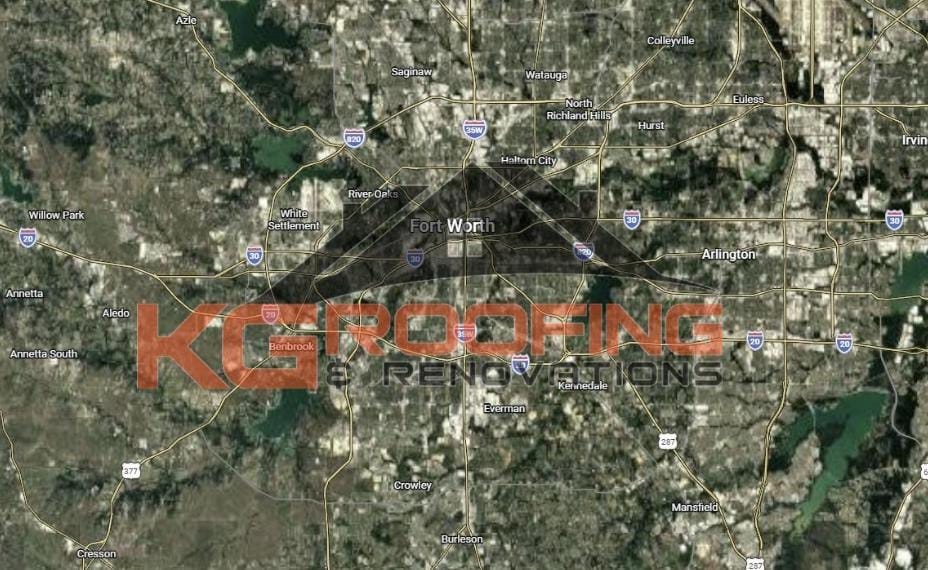
The stated service area covers Mansfield and the DFW metro area, including Arlington, Burleson, Midlothian, Waxahachie, Grand Prairie, Cedar Hill, Kennedale, Crowley, Joshua, Alvarado, Venus, Rendon, Cleburne, and dozens of surrounding communities. For homeowners anywhere in that footprint facing hail season, the preparation is simple: know the policy, know a trusted local roofing company before the storm, and when hail arrives, follow the sequence of documentation, protection, professional inspection, and an informed claim. A free inspection after the next storm is the natural first step, and it costs nothing whether the verdict is a claim or a clean bill of health.
Media Contact
Company Name: KG Roofing & Renovations
Contact Person: Kolby Galis
Email: Send Email
Phone: (817) 368-5115
Address:1906 Lone Star Rd Suite B
City: Mansfield
State: TX 76063
Country: United States
Website: https://kgroofs.com/