CHANTILLY, VA / ACCESS Newswire / September 21, 2026 / Industrial connectivity projects are often described as a straightforward exercise in putting field equipment online. In practice, the communication path may need to accommodate long-lived serial devices, variable cellular conditions, controlled remote access and the ongoing management of equipment distributed across many sites.
A useful way to evaluate an industrial 5G router is therefore to look beyond radio speed and port count. The more complete question is whether the communication layer can connect existing operational technology, maintain usable links, apply appropriate security controls and provide enough visibility for day-to-day operations.
InHand Networks has outlined five technical considerations for planning this path. Its IR624 industrial 5G router is included as one implementation example rather than as a universal design prescription; interface, carrier, security and environmental requirements should still be validated for each deployment.
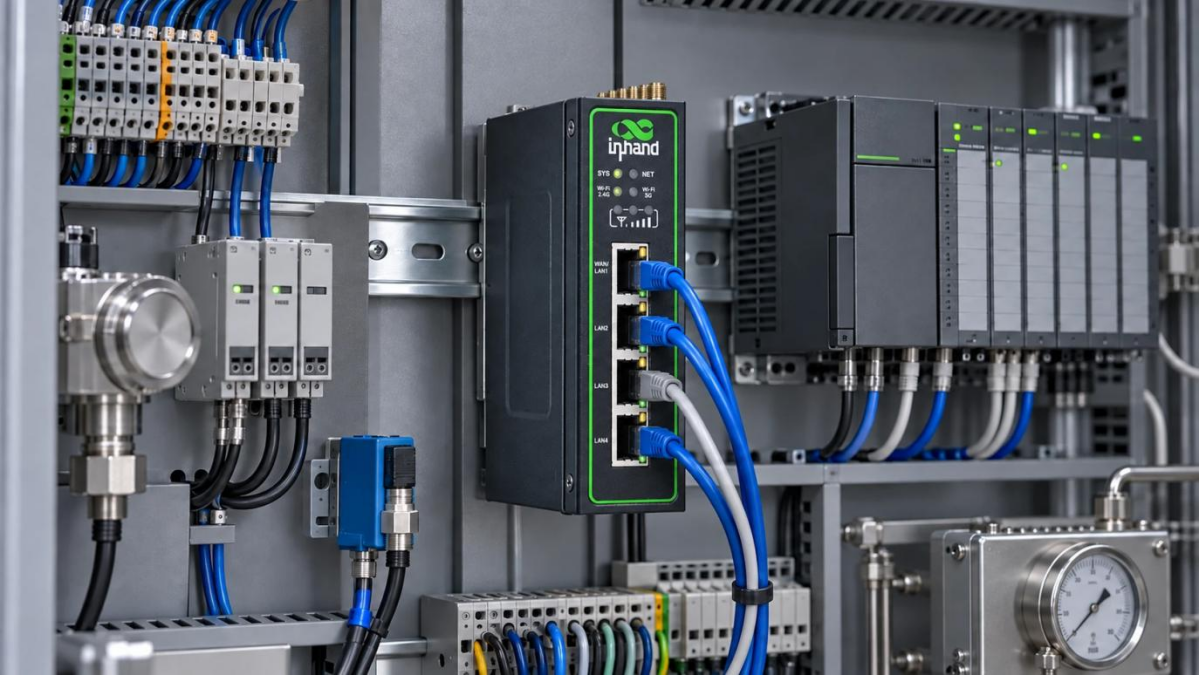
Start with the field interface and protocol
Industrial sites rarely begin with a uniform set of IP-native devices. A deployment may include PLCs, meters, controllers, sensors and industrial computers from different generations. Some communicate over Ethernet, while others rely on RS-232, RS-485 or Modbus RTU. Replacing working assets solely to support cloud connectivity may add cost and project risk.
The connectivity layer can help preserve those assets by providing the physical interfaces and data-handling functions required to move information into an IP network. Typical mechanisms include TCP or UDP transparent transmission and Modbus RTU-to-TCP conversion. These functions do not remove the need to understand device addressing, polling behavior and data ownership, but they can reduce the amount of additional conversion hardware in the cabinet.
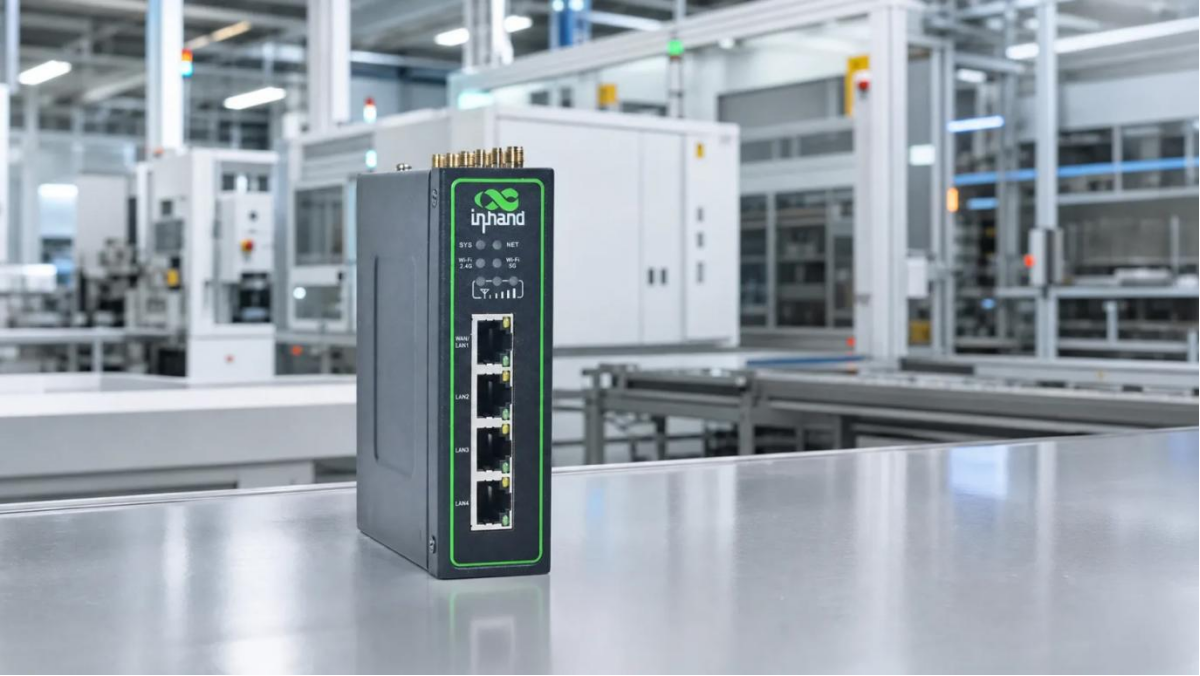
For example, the IR624 provides four Gigabit Ethernet ports, one RS-232 interface and one RS-485 interface. It supports TCP and UDP transparent modes and a Modbus RTU-to-TCP bridge. The relevant design question is not simply whether serial ports are present, but whether the end-to-end data flow has been tested with the actual field equipment and upstream application.
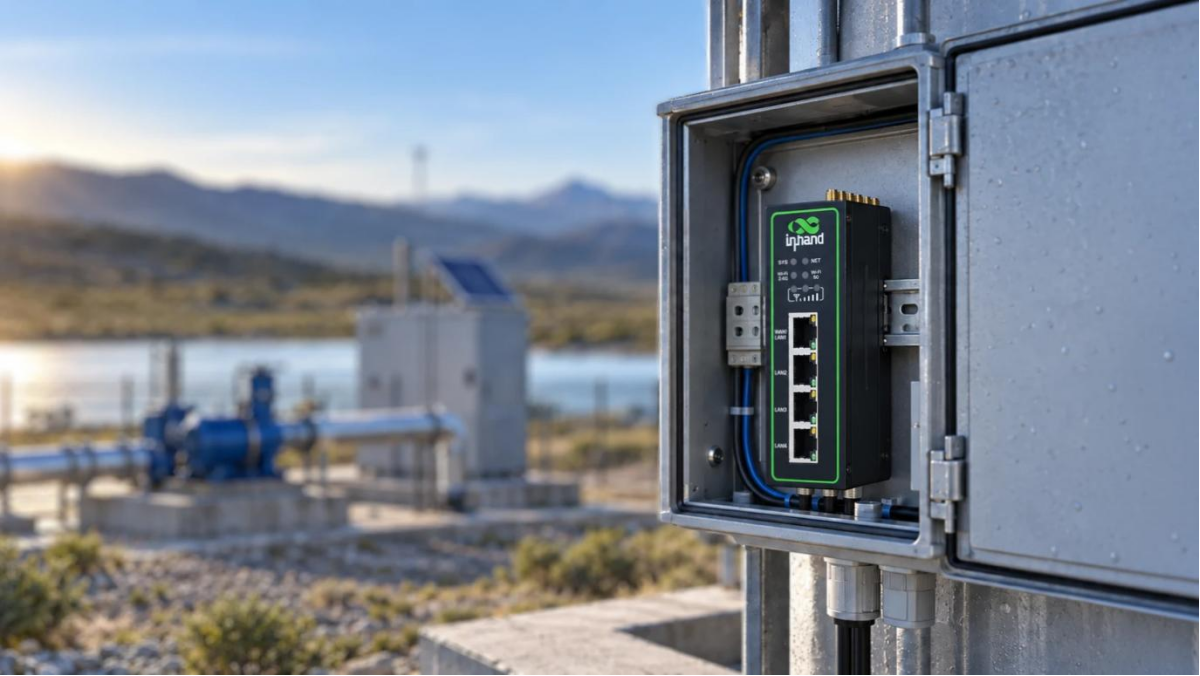
Treat cellular access and service continuity as separate questions
5G can provide higher bandwidth and lower latency than earlier cellular generations, but industrial availability is affected by more than the nominal radio standard. Signal conditions, operator coverage, SIM status, handovers, local interference and upstream service availability can all influence the link.
For unattended or hard-to-reach sites, the router should be able to identify a failed or degraded path and take a defined recovery action. Depending on the application, that may involve dual-SIM failover, backup between cellular and wired interfaces, heartbeat detection, automatic redial or a hardware watchdog. These mechanisms improve resilience, but they do not guarantee uninterrupted service; recovery thresholds and failover behavior should be tested against the application's tolerance for delay and packet loss.
The IR624 supports 5G NR SA and NSA or LTE fallback depending on model, as well as dual SIM, interface backup, heartbeat link detection with automatic redial and an embedded watchdog. Those capabilities illustrate a broader principle: radio access creates reach, while a deliberate link strategy helps sustain operations when conditions change.
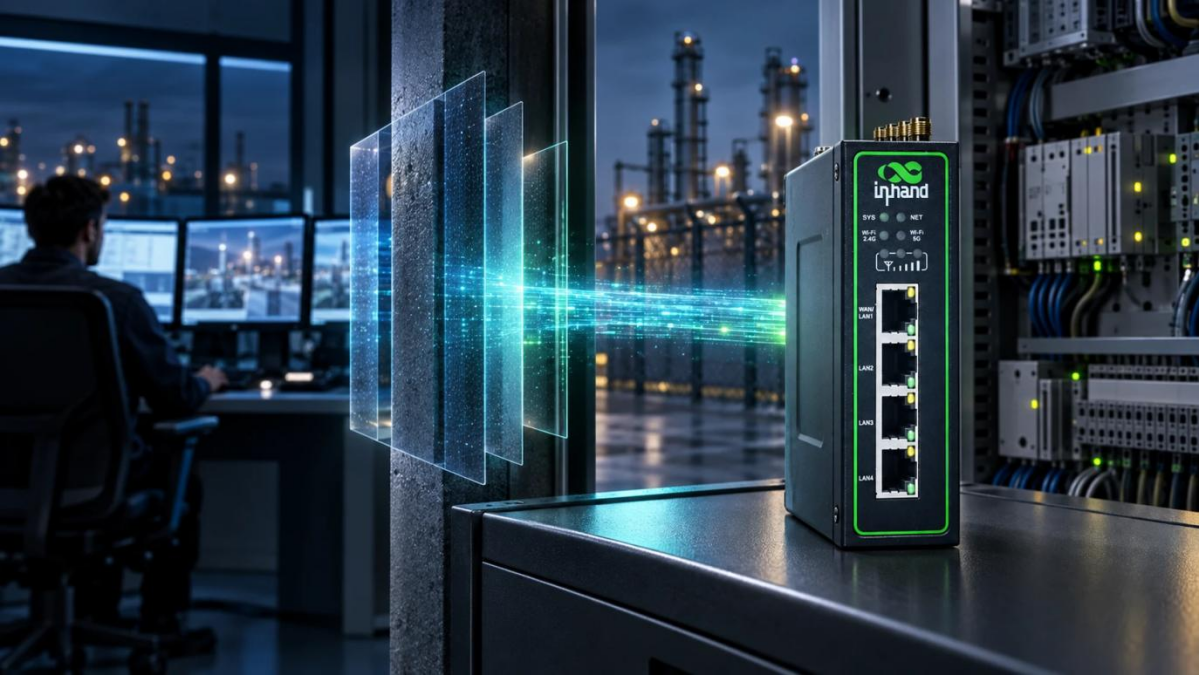
Define the remote access boundary before deployment
Connecting operational equipment to a wide-area network changes the site's exposure. Remote engineers, cloud services and supervisory systems may need access, but that access should be limited to the users, services and traffic flows required for the application.
A layered design may use VPNs to protect traffic across public networks, firewall rules and access control lists to restrict allowed communications, network address translation and port mapping where required, and policy-based routing to separate traffic paths. Authentication, credential management, certificate handling, logging and update processes also need to be addressed at the system level.
IR624 supports firewall filtering, access control, policy-based routing, 802.1X and several VPN options, including IPsec, L2TP, OpenVPN and WireGuard. The presence of these functions should be treated as a toolbox rather than a completed security architecture. Organizations remain responsible for selecting configurations that align with their risk assessment, segmentation model and applicable security policies.
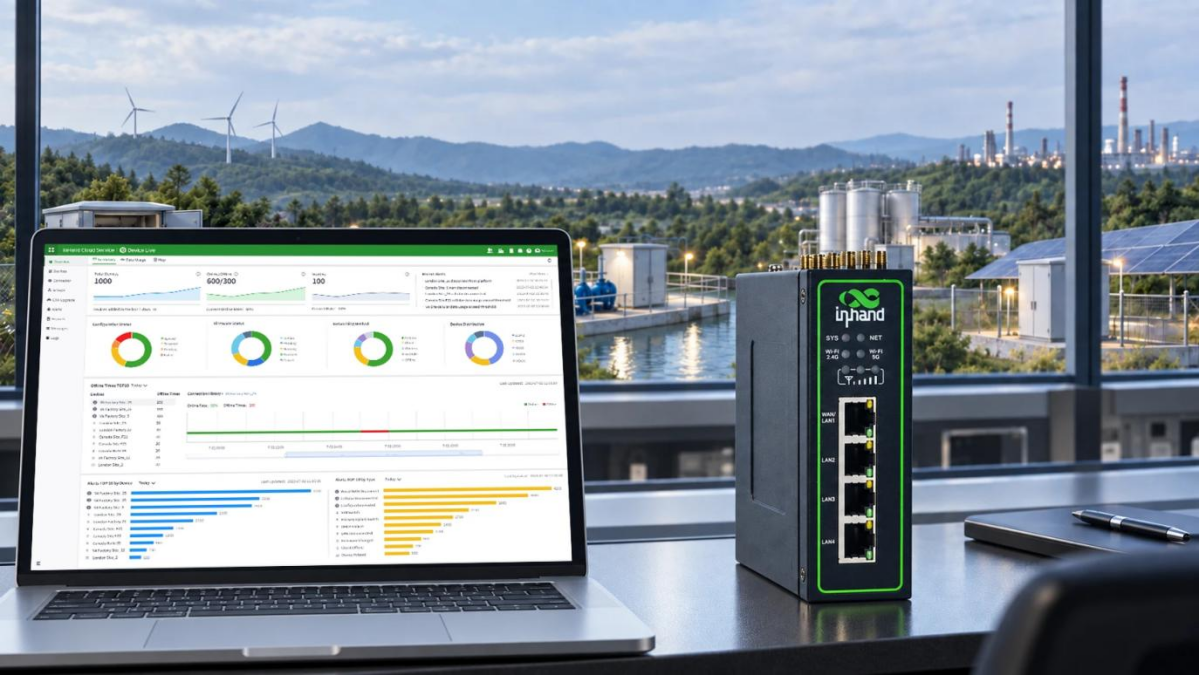
Design for fleet operations not only initial installation
A configuration process that works for one pilot router may not scale to dozens or hundreds of locations. At fleet scale, teams need consistent configuration, device status, alerts, logs, firmware maintenance and a repeatable troubleshooting process.
Remote management can help operators distinguish between cellular conditions, SIM issues, WAN failover, VPN status, local device behavior and application traffic before dispatching a technician. It also introduces governance requirements: administrative roles, auditability, update approval and retention policies should be defined before broad rollout.
The IR624 can connect to InHand DeviceLive for remote and batch management. In this context, cloud management is not simply a convenience feature; it is part of the operating model for distributed infrastructure. Its value depends on how monitoring, change control and incident response are incorporated into the organization's existing processes.
Validate the physical environment and lifecycle
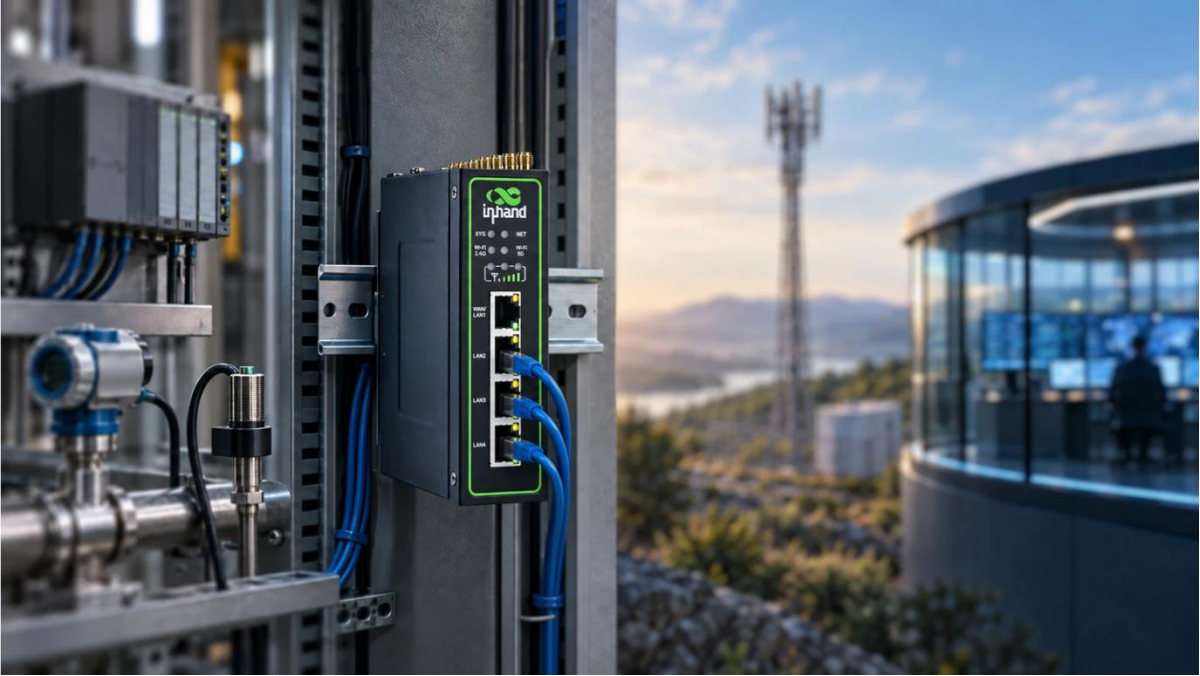
Network functions are only useful if the hardware remains suitable for the installation environment. Engineers should evaluate input power, grounding, temperature, humidity, vibration, electromagnetic compatibility, enclosure protection, antenna placement and mounting space. The required rating depends on whether the router is installed inside a protected cabinet, on a vehicle or in an exposed outdoor location.
The IR624 uses a fanless metal enclosure, DIN-rail mounting and a 9 to 48 VDC input. Its published specifications list an IP30 protection rating and operating-temperature options that vary by configuration. Because IP30 does not provide outdoor weather protection, exposed installations require an appropriate enclosure and a site-specific environmental assessment.
Lifecycle planning should also include carrier compatibility, regional certifications, firmware policy, spare units and the expected service life of connected equipment. These considerations are less visible than peak throughput, but they often determine whether a pilot can be maintained in production.
A five layer view of device to cloud connectivity
The design can be summarized as five connected layers:
- Field device layer: PLCs, meters, sensors, controllers and industrial computers connect through Ethernet or serial interfaces.
- Edge adaptation layer: transparent transmission or protocol conversion brings selected legacy data into IP-based systems.
- Wide area access layer: cellular and wired links, SIM strategy and failover rules provide external connectivity.
- Secure connection layer: VPNs, firewalls, access controls, routing and authentication limit and protect communications.
- Operations layer: monitoring, alerts, logs, configuration and firmware processes support the installed fleet.
Viewing the system in layers helps engineering and operations teams identify responsibility boundaries and test points. It also reduces the risk of treating the router as an isolated component when its behavior affects field equipment, carrier services, security controls and business applications.
Practical evaluation questions
Before selecting or deploying an industrial 5G router, project teams can ask:
- Which physical interfaces and protocols are used by the installed equipment?
- What outage duration can the application tolerate, and how will failover be tested?
- Which users and services require remote access, and what traffic should be denied?
- How will configurations, firmware, alerts and logs be managed across the fleet?
- Does the selected hardware match the site's power, temperature, enclosure and compliance requirements?
These questions shift the evaluation from a feature comparison toward an end-to-end engineering review. Products such as the IR624 can combine several parts of that path in one device, but successful deployment still depends on system design, validation and operational discipline.
About InHand Networks
InHand Networks develops networking, edge computing and Internet of Things technologies for distributed business and industrial applications. Its portfolio includes industrial and business routers, edge gateways and computers, vehicle networking products, Ethernet switches, access points and cloud-based device management services. More information about the IR624 and its model-dependent specifications is available at https://www.inhand.com/en/products/industrial-routers/ir624/
Media Contact
Eleanor Chen
Marketing & Communications
eleanor.chen@inhand.com
SOURCE: InHand Networks
View the original press release on ACCESS Newswire