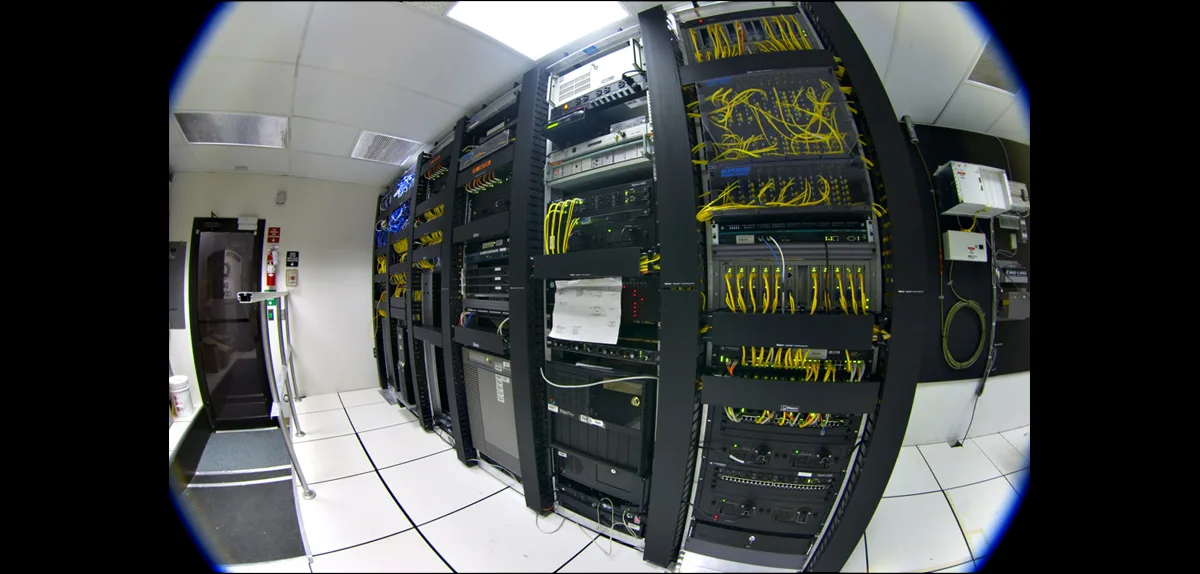
In the high-stakes world of telecommunications and technology, “uptime” is the primary goal. However, many firms overlook the human element of operational reliability. This article explains why Toronto’s tech hubs are shifting toward better emergency protocols. By moving past basic compliance and using modern training models, companies can protect their staff and reduce the risk of workplace medical crises.
In the technology world, we obsess over reliability. We talk about “five nines” of uptime for our internet lines. We build redundant data centers so that if one fails, another takes over instantly. We spend millions on cybersecurity to keep our data safe. But there is a silent risk that many offices in Toronto’s busy tech sector are just starting to address: the physical safety of the people behind the screens.
High-pressure environments often lead to health risks that a firewall cannot fix. Sudden medical emergencies do not wait for a convenient time. In a city like Toronto, where tech teams often work in high-rise buildings, the time it takes for help to arrive can be longer than you think. This is why top-tier firms are partnering with Coast2Coast First Aid & Aquatics to ensure their teams have the skills to handle a crisis.
Let’s look at why the tech industry is finally treating human safety with the same level of care as its server racks.
Why basic compliance is no longer enough
Most offices have a basic first aid kit tucked away in a kitchen cabinet. They might have one person on the team who took a course years ago. For a long time, this was enough to check a box for legal rules. But the modern workplace has changed.
Tech offices are often open-concept and fast-paced. Staff stay late to hit deadlines. They might work in small groups or in hybrid roles. If a team member collapses from a heart attack at 7:00 PM, a “checked box” from three years ago won’t save them.
Companies are realizing that safety is part of their brand. If you want to attract the best talent, you have to show that you value their lives. Real safety means having enough people on every floor who know how to use a defibrillator (AED) and perform CPR without panicking.
The vertical challenge of Toronto offices
Toronto’s skyline is beautiful, but it creates a specific problem for emergency services. If an ambulance arrives at the front door of a tech hub downtown, the paramedics still have to get through security, find the right elevator, and ride up to the 40th floor.
Those extra minutes are critical. If someone stops breathing, their brain begins to suffer after only four minutes. By the time professional help reaches an office in a skyscraper, it might be too late.
The staff on-site are the true first responders. They are the bridge between the accident and the ambulance. Training your management and floor teams to stay calm and provide care is the only way to beat the clock in a vertical city.
How tech-friendly training fits a busy schedule
One reason tech companies put off safety training is the time it takes. Nobody wants to pull twenty developers away from their code for two full days. It feels like a blow to productivity.
The answer is a “Blended Learning” model. It works just like the rest of the modern world.
- Online Modules: Staff learn the facts and take quizzes on their laptops at their own pace.
- In-Person Skills: The team meets for a single, focused session to practice on mannequins.
This model respects the busy schedules of a growing company. It makes safety training feel like a smart upgrade rather than a chore. You can find out more about how these corporate programs work by visiting https://www.c2cfirstaidaquatics.com/.
Reliability is a holistic value
At the end of the day, a company is only as strong as its people. You can have the best fiber-optic lines and the fastest servers in Canada, but if your team doesn’t feel safe, your culture will suffer.
Investing in emergency protocols shows that you understand risk. It shows you are a mature leader who thinks about the “human uptime” of your business. Don’t wait for a crisis to realize your safety plan is outdated. Build a resilient team today.
FAQ: Safety Protocols in the Modern Office
- How many staff members should be trained in First Aid?
It depends on your local rules, but a good goal for a busy office is to have at least one trained person for every 20-25 people on a shift. This ensures that someone is always nearby if an emergency happens.
- Is an AED really necessary for a tech office?
Yes. Sudden cardiac arrest can happen to anyone, regardless of age or fitness level. An AED is a simple device that can restart a heart. It is the single most important piece of safety tech you can have in a modern building.
- Does the company face legal risk if an employee helps a co-worker?
In Ontario, the Good Samaritan Act protects people who help in an emergency. As long as the person acts in good faith and isn’t being reckless, they are protected from being sued.
- How often should our safety protocols be updated?
You should review your safety plan at least once a year. Check that your first aid kits are stocked and that your list of trained staff is up to date. People leave companies, so you need to make sure you always have active rescuers on every team.
- Can we do the entire training online?
No. While you can learn the facts online, you must practice the physical skills in person with an instructor to get a valid certificate. You need to know exactly how hard to push during CPR to actually save a life.