Anderson Lighting & Electric is expanding its surge protection services for residential and commercial properties as more homes and businesses depend on electronic equipment for everyday operations. Electrical surges and sudden voltage changes can affect computers, HVAC systems, appliances, security equipment, smart-home devices, entertainment systems, and other electronics. The expanded service focus gives property owners another option for addressing electrical protection within their existing systems.
Surge protection can be used in both residential and commercial electrical systems, with the appropriate equipment depending on the property's electrical service, panel configuration, and the devices that need protection. Options may include whole-home or commercial surge protection installed at the electrical panel, along with point-of-use protection for individual equipment when additional protection is appropriate.
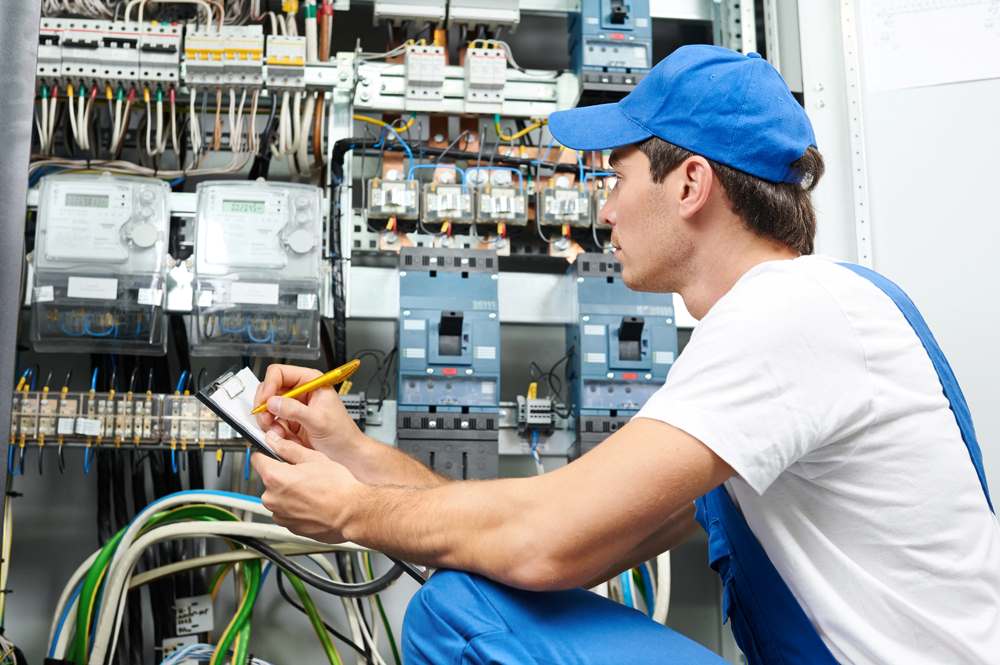
The type of surge protection used can vary depending on the size and layout of the property and the equipment connected to its electrical system. Homes with multiple electronic devices may have different protection needs than commercial buildings with larger electrical loads and specialized equipment. An electrical assessment can help identify how power is distributed throughout the property and where additional protection may be appropriate. Considering these factors before installation can help ensure that the selected equipment is suited to the existing electrical system.
Electrical surges can occur for several reasons. Lightning is one potential source, but voltage disturbances can also occur during utility switching, power restoration, or changes in the electrical system. Some surges are generated inside a building when equipment such as motors and compressors starts or stops. While these events can be brief, repeated electrical disturbances can place stress on sensitive electronic components.
That concern has become more relevant as electronics have become a larger part of both residential and commercial properties. A home may rely on connected appliances, televisions, computers, networking equipment, smart-home controls, and HVAC systems, while a business may depend on point-of-sale equipment, communications systems, refrigeration, security equipment, computers, and other electronic controls.
“Electrical systems today support a lot more electronic equipment than they used to,” said Jeffrey Bernal, owner of Anderson Lighting & Electric. “When so much of a home or business depends on electronics, it makes sense to look at how those systems are protected from electrical disturbances.”
Surge protection does not eliminate every electrical hazard or guarantee that equipment will not be damaged. Instead, properly selected surge protective equipment can provide another layer of protection against certain transient voltage events. The effectiveness of that protection also depends on proper installation, grounding, and the characteristics of the electrical system.
The condition of the existing electrical system can also be an important part of planning for surge protection. Older panels, outdated wiring, grounding concerns, or limited panel capacity may need to be addressed before new protective equipment is installed. Reviewing these conditions can help determine whether the electrical system is prepared to support the selected surge protection equipment. This type of evaluation also provides an opportunity to identify other electrical issues that could affect the safety or performance of the system.
Whole-home surge protection is typically installed at or near the main electrical panel. Because the protection is connected to the property's electrical system, it can provide coverage across multiple circuits rather than relying only on individual plug-in devices. Depending on the equipment in the home, point-of-use protection may also be used for particularly sensitive electronics.
Commercial properties can have additional considerations because several electrical systems may operate at the same time. Businesses may rely on computers, communications equipment, refrigeration systems, HVAC controls, security systems, point-of-sale equipment, machinery, and other electrically powered equipment. A disruption involving one system can sometimes affect other parts of normal operations, making electrical protection an issue worth considering when planning or updating a commercial electrical system.
“Every property is a little different,” Bernal said. “A business with refrigeration equipment and computer systems may have different needs than a home with smart devices and entertainment equipment. The electrical system and the equipment being used should both be considered when determining what type of protection makes sense.”
Power restoration following an outage is another situation in which voltage conditions can change. When electrical service returns, connected equipment may restart at different times, creating changes within the system. Surge protection cannot prevent an outage, but properly installed protective equipment can help address certain transient voltage events associated with electrical disturbances.
The effects of lightning-related electrical disturbances can extend to equipment throughout a property. A direct lightning strike is an extreme electrical event, and a standard surge protective device should not be presented as a guarantee against lightning-related damage. Surge protection can, however, be part of a broader approach to electrical protection. Proper grounding, appropriate equipment selection, and safe electrical installation are also important parts of that system.
Installing surge protection requires more than simply adding a device to an electrical panel. The service configuration, available panel space, grounding, electrical equipment, and other characteristics of the system should be considered before installation. An electrical inspection can also identify conditions that may need attention before protective equipment is installed.
“Surge protection works best when it is looked at as part of the overall electrical system,” Bernal said. “The right setup depends on what the property uses, how the electrical system is configured, and what equipment needs to be protected.”
The expanded surge protection services from Anderson Lighting & Electric reflect the increasing dependence on electronic equipment in homes and businesses. As connected devices and electronic controls become more common, surge protection can be considered alongside other basic electrical measures such as proper grounding, equipment maintenance, and safe installation practices.
Property owners interested in learning more about surge protection can review the service information from Anderson Lighting & Electric at https://www.electrician-flowermound.com/surge-protection-services/. The information outlines the company's surge protection services and provides a starting point for property owners considering whether this type of electrical protection may be appropriate for their system.
For additional information about the company and its electrical services, visit Anderson Lighting & Electric or call 972-822-4522.
###
For more information about Anderson Lighting & Electric, contact the company here:
Anderson Lighting & Electric
Jeffrey Bernal
(972) 822-4522
ale.estimators@gmail.com
2809 Justin Rd, I
Flower Mound, TX 75028