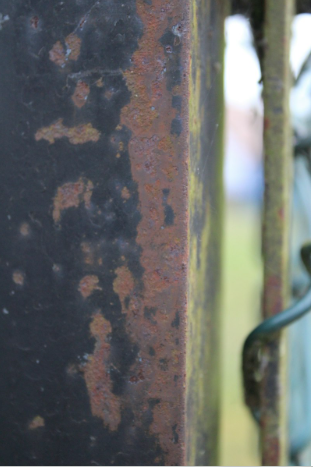
A metal fence is one of the most durable and visually striking choices for a Bellevue property, but rust is the one threat that can undo years of investment if it is not taken seriously. The good news is that rust prevention is mostly straightforward: it requires regular inspection, prompt touch-ups, and the right protective coating from the beginning. Homeowners who follow a consistent routine rarely face serious corrosion problems.
Why Metal Fences Rust—and When It Starts
Iron and steel react with oxygen and moisture to form iron oxide—commonly known as rust. The reaction begins the moment bare metal is exposed to water and air, which is why the protective coating on a metal fence is so critical. As long as that coating remains intact, the underlying metal stays dry and corrosion-free. Once it is broken—by a scratch, a chipped edge, a missed touch-up—rust begins forming at the exposed point and spreads outward.
In Bellevue’s climate, with extended wet seasons and frequent condensation, the window between first exposure and visible rust is often shorter than homeowners expect. A small scratch ignored through one winter can show visible orange staining by spring and noticeable pitting by the following year.
Protective Coatings That Prevent Corrosion
The most common protective coatings for metal fencing are powder coating, liquid paint, galvanizing, and factory-applied rust-inhibiting primer. Powder coating is the standard for decorative aluminum and steel fences: it provides a thick, smooth, UV-resistant surface that bonds strongly to the metal and does not chip as easily as liquid paint under normal use.
Galvanized steel adds a zinc layer that serves as a sacrificial barrier—the zinc corrodes instead of the steel if the surface is compromised. For wrought iron or older steel fences with liquid paint coatings, the paint itself is the primary defense, which means regular repainting is essential maintenance rather than an optional cosmetic upgrade.
Cleaning Routines That Extend a Metal Fence’s Life
Dirt, moss, and airborne debris trap moisture against the fence surface and hold it there long after rainfall has stopped. A periodic cleaning—at minimum once a year, ideally twice—removes those materials and gives you a clear view of the coating’s condition.
A soft brush and mild dish soap work well for most metal fences. Avoid abrasive pads or steel wool, which can scratch the coating and create the very exposure points you are trying to prevent. After cleaning, rinse thoroughly and let the fence dry before inspecting the surface for chips, scratches, or rust spots.
Touching Up Scratches and Bare Metal Promptly
Every scratch in a metal fence coating is a potential rust entry point. Catching them early—before rust can establish itself—is the single most effective rust-prevention habit a homeowner can develop. A small chip that is touched up within a few weeks after it appears rarely causes problems. The same chip left through a rainy winter often shows orange staining by spring.
For powder-coated fences, manufacturers often sell touch-up paint in matching colors that can be applied with a small brush. For galvanized fences, a zinc-rich cold-galvanizing spray applied to bare areas restores the sacrificial protection. For painted iron fences, the bare area should be treated with a rust converter, primed with a metal primer, and repainted to match.
When Rust Has Gone Too Far
Optima Fence & Deck assesses rust damage on metal fences across Bellevue and can determine whether cleaning and re-coating will restore a fence or whether replacement of specific sections is the more cost-effective path. Their rust-resistant metal fence installation in Bellevue includes material selection and coating choices matched to each property’s exposure and climate conditions.
Surface rust that has not yet eaten through the metal can often be cleaned down to bare metal, treated with a rust converter, primed, and repainted. Rust that has pitted through the metal—making it structurally thin—requires panel or section replacement. Attempting to paint over deep pitting without treating the rust beneath only hides the problem temporarily.
Frequently Asked Questions
How often should a metal fence be inspected for rust?
A twice-yearly inspection—once in spring after the wet season and once in fall before it—catches most developing problems early enough for simple touch-ups. Between scheduled inspections, keep an eye out for discoloration, flaking paint, or orange streaking after rain, which are early rust indicators.
Does aluminum fencing ever rust?
Aluminum does not rust in the way that steel and iron do. It can develop a dull white oxide layer called aluminum oxide, which is actually a self-healing protective coating. Unlike iron rust, aluminum oxide does not spread destructively—it forms a stable layer that stops further corrosion. For this reason, aluminum is often recommended for properties in high-moisture environments.
Is a rust inhibitor primer worth the extra cost for a new fence installation?
Yes, particularly for steel fences in wet climates. A rust-inhibiting primer applied to the metal before the finish coat provides a second line of defense if the finish coat is ever scratched or chipped. The cost at installation is small relative to the protection it provides over the life of the fence.