Over the past six months, Zevia’s stock price fell to $1.43. Shareholders have lost 7.5% of their capital, which is disappointing considering the S&P 500 has climbed by 10.5%. This may have investors wondering how to approach the situation.
Is now the time to buy Zevia, or should you be careful about including it in your portfolio? Get the full breakdown from our expert analysts, it’s free.
Why Is Zevia Not Exciting?
Even though the stock has become cheaper, we’re sitting this one out for now. Here are three reasons we avoid ZVIA, plus one stock we’d rather own.
1. Long-Term Revenue Growth Flatter Than a Pancake
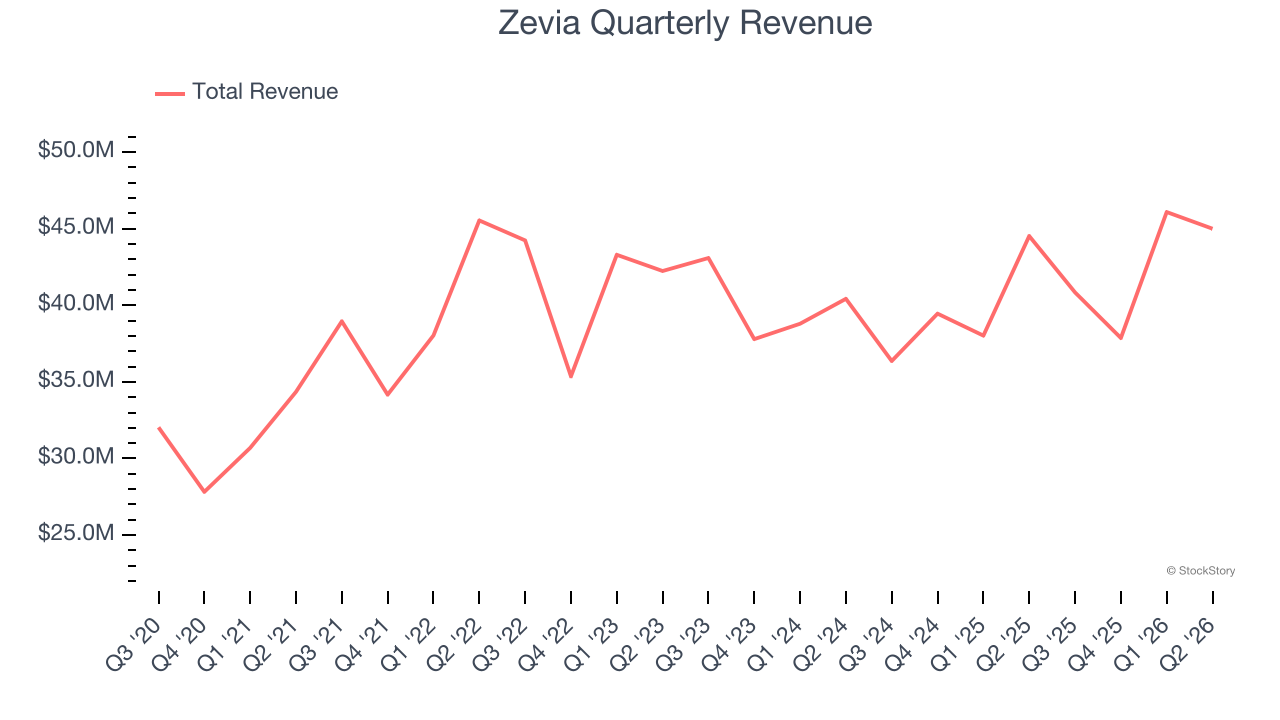
A company’s long-term performance is an indicator of its overall quality. Any business can put up a good quarter or two, but the best consistently grow over the long haul. Unfortunately, Zevia struggled to consistently increase demand as its $169.8 million of sales for the trailing 12 months was close to its revenue three years ago. This wasn’t a great result and signals it’s a lower quality business.
2. Fewer Distribution Channels Limit Its Ceiling
With $169.8 million in revenue over the past 12 months, Zevia is a small consumer staples company, which sometimes brings disadvantages compared to larger competitors benefiting from economies of scale and negotiating leverage with retailers.
3. Operating Losses Sound the Alarm
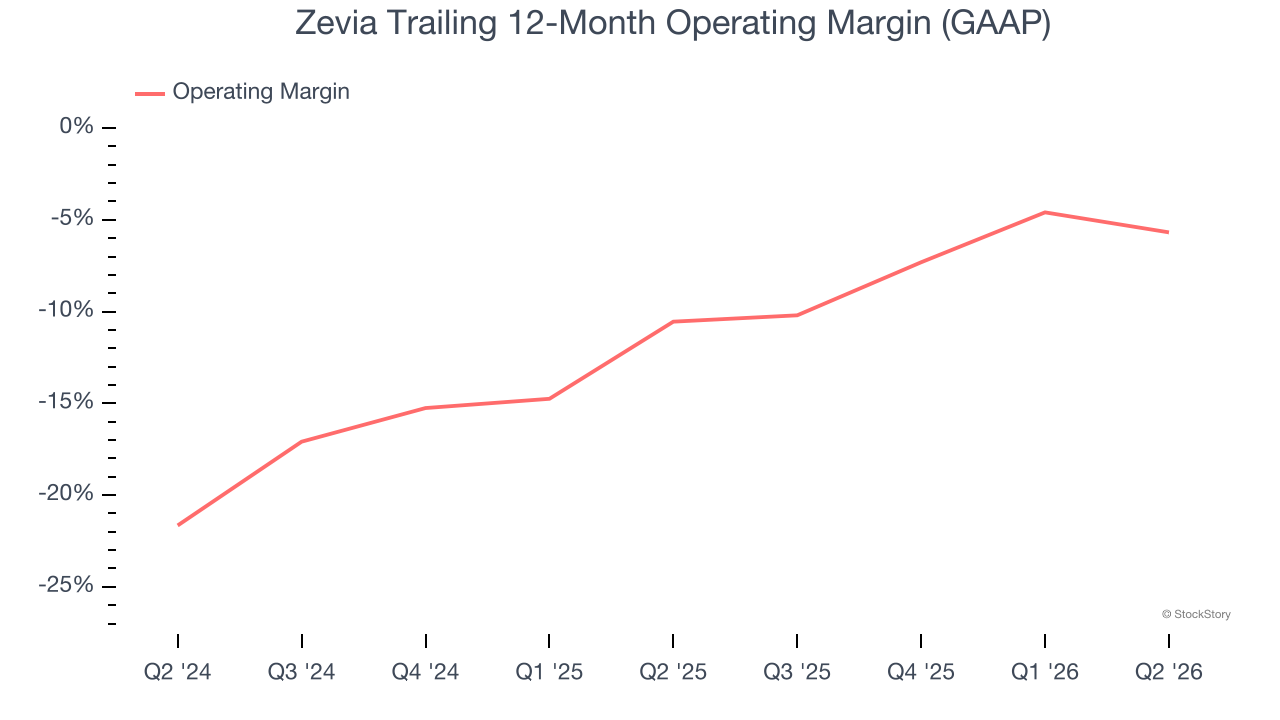
Operating margin is an important measure of profitability as it shows the portion of revenue left after accounting for all core expenses — everything from the cost of goods sold to advertising and wages. It’s also useful for comparing profitability across companies with different levels of debt and tax rates because it excludes interest and taxes.
Unprofitable public companies are rare in the defensive consumer staples industry. Unfortunately, Zevia was one of them over the last two years as its high expenses contributed to an average operating margin of negative 8%.
Final Judgment
Zevia’s business quality ultimately falls short of our standards. After the recent drawdown, the stock trades at $1.43 per share (or a forward price-to-sales ratio of 0.5×). The market typically values companies like Zevia based on their anticipated profits for the next 12 months, but it expects the business to lose money. We also think the upside isn’t great compared to the potential downside here - there are more exciting stocks to buy. We’d suggest looking at one of our top digital advertising picks.
High-Quality Stocks for All Market Conditions
ALSO WORTH WATCHING: Top 5 Momentum Stocks. The best time to own a great stock is when the market is finally noticing it. These aren’t just high-quality businesses. Something is happening with them right now. Elite fundamentals meet near-term momentum — both boxes checked at the same time.
Find out which stocks our AI platform is flagging this week. See this week’s Strong Momentum stocks — FREE. Get Our Strong Momentum Stocks for Free HERE.
Stocks that have made our list include now familiar names such as Nvidia (+1,460% between June 2020 and June 2025) as well as under-the-radar businesses like the once-micro-cap company Tecnoglass (+1,552% between June 2020 and June 2025). Find your next big winner with StockStory today.