Residential break-ins remain a persistent concern for homeowners across the Pacific Northwest. Law enforcement agencies in Washington and Oregon have documented consistent patterns in how burglaries occur and which homes become targets. Unlike stereotypical portrayals of sophisticated heists, the vast majority of residential break-ins are opportunistic crimes committed by perpetrators looking for easy entry points and low-risk targets. Understanding lock security from a criminal perspective - how intruders evaluate vulnerabilities and attempt entry - helps homeowners make informed decisions about which security measures provide genuine protection.
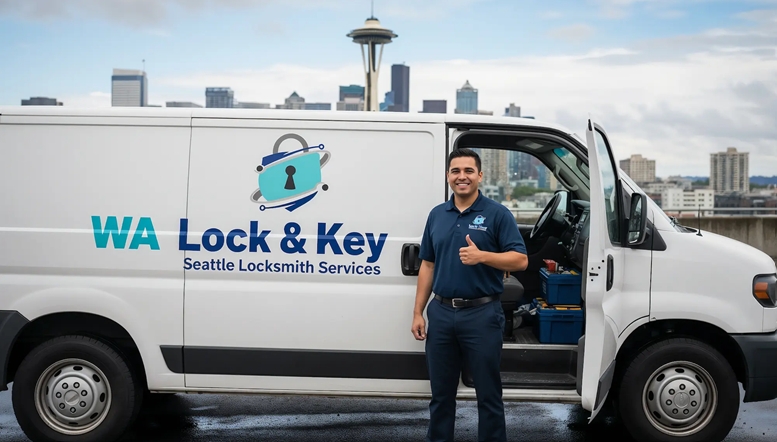
Break-In Trends Affecting Pacific Northwest Residents
Recent crime data from major Pacific Northwest metropolitan areas reveals that residential break-ins follow predictable patterns. Most occur during daytime hours when homes appear unoccupied, particularly during work hours between 10 a.m. and 3 p.m. Summer months see increased activity as warmer weather coincides with vacations and open windows. Winter break-ins concentrate on periods around holidays when residents travel. Perpetrators typically spend only 60 seconds evaluating potential targets, determining whether a home looks easy to breach. They move on from homes showing signs of security awareness, such as visible locks, reinforced frames, or alarm system signage. The opportunistic nature of most residential crime means that obvious security measures often deter perpetrators better than sophisticated hidden protections.
Why Lock Grade Matters More Than Most Homeowners Realize
The ANSI/BHMA lock grading system exists because lock quality directly correlates with break-in resistance. Grade 1 commercial locks contain hardened steel components, reinforced springs, and pick-resistant pins. Grade 2 residential locks provide substantial improvements over Grade 3 in materials, manufacturing precision, and internal design. Grade 3 locks, still common in older homes throughout the Pacific Northwest, use thinner materials and simpler internal mechanisms. When evaluating locks for your home, Grade 2 represents the practical minimum for meaningful security enhancement. The cost difference between Grade 3 and Grade 2 locks is modest - typically $15-30 more per lock - yet the security improvement is dramatic. Grade 1 locks cost significantly more but provide commercial-grade security rarely necessary for residential applications unless you are concerned about professional theft or live in high-crime areas.
Key Control: A Fundamental Security Principle
Key control refers to the practice of limiting who possesses copies of your keys. When homes change hands, multiple copies of keys exist in circulation. Previous owners may retain keys for sentimental reasons. Contractors who worked on the property may have kept copies. Landscape maintenance personnel, housecleaners, pet sitters, and others who accessed the home while renting may still have keys. Each additional key copy represents a potential security breach. You cannot know the backgrounds, current circumstances, or intentions of everyone holding your key copies. Professional rekeying eliminates the security risk by rendering all previous key copies obsolete. The rekeying process costs far less than replacing locks and provides the same practical benefit of returning total control to you.
Understanding the rekeying process helps homeowners make informed security decisions.
Rekeying Versus Replacement: Making the Right Decision
The decision between rekeying and replacing locks depends on several factors. If your existing locks are Grade 2 or Grade 1 quality, rekeying is the logical choice. The lock mechanisms remain secure and functional; only the pin configuration changes, making previous key copies useless. Rekeying costs roughly 50% of replacing locks. Replace locks entirely if they are low-grade (Grade 3), visibly damaged, worn, or no longer functioning smoothly. If you are upgrading from lower-grade locks to Grade 2, replacement is necessary since you want improved security from the lock mechanism itself. For most Pacific Northwest homeowners purchasing homes with unknown lock histories, rekeying all exterior door locks during the transition provides immediate security control at reasonable cost. The rekeying process takes minutes per lock for a professional locksmith with proper tools.
Residential lock security forms the foundation of home protection in the Pacific Northwest. By understanding break-in trends, selecting appropriate lock grades, maintaining key control, and making informed rekeying decisions, homeowners significantly reduce vulnerability. These practical measures address the opportunistic nature of most residential crime and provide genuine security improvement that deters potential perpetrators.
Media Contact
Company Name: WA Lock & Key
Email: Send Email
Phone: 253-484-4564
Address:8124 69th Ave SW
City: Lakewood
State: WA 98499
Country: United States
Website: http://walockandkey.com/