Electricity is everywhere. Houses, stores, and factories: all of them operate on it. However, the point is that here, electricity may be beneficial, but after that it becomes hazardous unless properly controlled. That is where smart electrical systems come in.
One key player? The TP&N Distribution Board.
This is the question that has always been in your mind: how do big houses safely transfer power in different floors and to various pieces of machinery? The TP&N Distribution Board is constructed to accommodate larger loads, enhance safety, and facilitate distribution.
What Does TP&N Actually Mean?
TP&N is an abbreviation of Three Pole and Neutral. That's it. Three poles are the three live electrical phases and the neutral is a return path that completes a circuit.
Consider it in the following way: a typical home socket operates at one phase. It is low-power, simple stuff. Yet a factory or a big office block or a cooking place of business? They require a lot more power. And they require that it be balanced on several circuits. That is precisely what three phase system provides.
The control center of that system is the TP&N distribution board. It contains the breakers, handles the neutral connections and ensures that things run safely.
How Is It Different From a Standard DB Board?
Most DB boards (distribution boards) are single phase: the type found in most houses. It takes the mains supply and divides it into various circuits like lighting, plug sockets, the oven etc.
The same is done by a TP&N distribution board, at a very large scale. It deals with three live phases rather than one. That is to say, it can drive many more circuits, handle higher loads, and distribute that load evenly across all three phases, which is important both for efficiency and safety.
The interior design is also different. The neutral busbars are usually equipped with three-pole MCBs (miniature circuit breakers) or RCBOs on a TP&N board. The three phases are controlled by each pole and the neutral bar provides each circuit with an appropriate return path.
Where Is a TP&N Distribution Board Used?
TP&N distribution boards are located where the power demand is high and a single-phase supply is not sufficient. These are the most popular locations:
Commercial Buildings
Three-phase power is used in offices, shopping centres, hotels and retail units. The electrical load (lighting, HVAC, lifts, server rooms) is too great to be serviced by a single-phase system. A TP&N db board maintains all that operating without overloading any phase.
Industrial Sites and Factories
Three-phase power is needed in heavy machinery, conveyor systems, compressors, and CNC equipment. The TP&N distribution boards are used in industrial facilities to regulate several machine circuits and provide safe and stable power distribution throughout the entire facility.
Healthcare and Education Facilities
The complex electrical systems in hospitals, clinics, schools, and universities must meet high safety standards. A properly rated TP&N board supports both operating theatre equipment and computer labs, and the circuit protection should be accordingly.
Large Residential Developments
Three-phase supplies are frequently used in big apartment blocks or housing developments to serve common facilities, lighting in the car park, lifts, and also the individual flats. The TP&N distribution board is at the center of that arrangement, where power is safely and cleanly distributed to each sub-circuit.
Data Centres
The data centres require a steady supply of power. Three-phase boards also assist in evenly distributing the load between servers and cooling systems and ensure that the circuit will not be tripped at a critical time.
Why Does Load Balancing Matter?
TP&N distribution board is not only needed to balance the power capacity: it is also needed to balance the load. By balancing your electrical load over three phases, you lower the amount of heat, minimize energy waste and maximize the life of your equipments.
A lopsided load causes strain to the system. That may result in voltage variations, overheating and severe cases whereby equipment may be damaged or there may be fire risks. With a well-designed TP&N board layout, things are balanced early on.
For more details on three-phase load balancing, theIET Wiring Regulations (BS 7671) provide the official guidance that all UK electricians work to.
What Should You Look for in a TP&N Distribution Board?
Not all TP&N distribution boards are the same. Here is what you should consider when you are selecting one:
Current Rating
Boards are available in various amp ratings: 63A, 100A, 125A, 200A, etc. Scale this to your current load needs, with a little room for growth in the future.
Number of Ways
This is the number of circuit breakers that the board is able to accommodate. The bigger the location with more circuits, the more ways a board should have.
IP Rating
The IP (Ingress protection) rating is important in case the board is taken to a wet, dusty, or outdoor place. The more the IP rating, the greater the protection against the elements.
MCB or RCBO Protection
There are boards that are pre-fitted with MCBs to provide overcurrent protection. Others endorse RCBOs, which are also provided with residual current protection: a requirement in most commercial and industrial installations.
Build Quality and Certification
Look for boards that comply withBS EN 61439, the standard for low-voltage switchgear and controlgear assemblies in the UK and Europe.
Looking for a TP&N Distribution Board?
When specifying or sourcing a TP&N distribution board for a commercial or industrial project, it is worth considering a variety of options to determine what current rating, number of ways and type of protection to use.
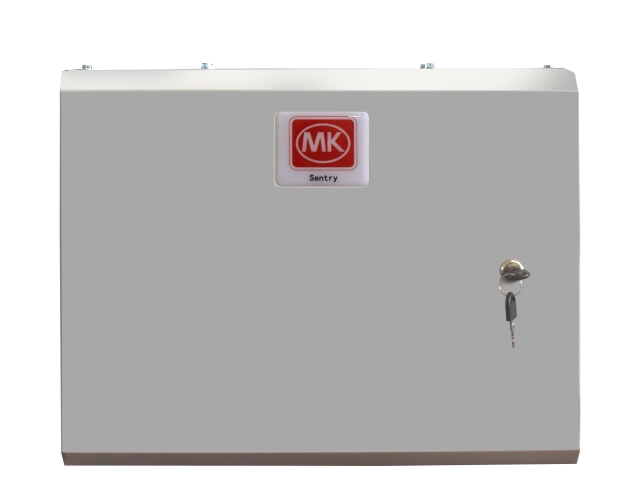
MK Circuit Protection has a variety of TP&N distribution boards that are designed for professional electrical installations: they are reliable, well-equipped, and designed to suit the needs of the real-life commercial and industrial world.
Final Thoughts
A TP&N Distribution Board may sound technical, but it has a simple role to play; safe and efficient distribution of power to larger systems.
If your building runs on heavy electrical loads, this is not optional. It’s essential.
From factories to hospitals, the TP&N system keeps everything stable, safe, and running without interruptions.
And when installed correctly, it saves you from costly problems down the road.
Media Contact
Company Name: MK CIRCUIT PROTECTION
Email: Send Email
Country: China
Website: https://www.mkcircuitprotection.co.uk/