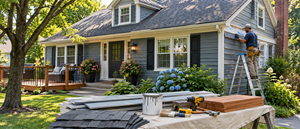
If you dream of the day you get to build on your land, whether that means a few acres in the country, a quiet lot in town, or property that has been in the family for years, you are in good company. Then the doubts start. Friends and relatives share horror stories, the internet offers conflicting advice, and the project begins to feel bigger than it needs to be.
A lot of that worry comes from myths. Some are partly true for certain situations, and others are simply out of date. Here are seven of the most common ones, and what is actually going on.
Myth 1: You Need Acreage to Build on Your Land
If you want to build on your land, you may assume a custom home only makes sense on a big rural property. In reality, a custom home can work on a wide range of lots, from a modest in-town parcel to a large piece of acreage. What matters is how well the plan fits the property, not how many acres it covers.
Smaller lots call for smart design. A narrow lot might suit a plan with a compact footprint and a second story. A sloped lot might work well with a walkout or daylight basement. When you build on your land, the goal is a home that suits the site, and an experienced builder can help match the two.
Myth 2: Empty Land Is Ready to Build On
A flat, open field looks like the easiest place in the world to build. But what you see on the surface is only part of the story. Before a foundation can go in, the site may need clearing, grading, drainage work, utility connections, and an access road. Zoning rules, setbacks, and permit requirements shape what is allowed and where.
This is not a reason to be discouraged. It is simply part of the process when you build on your land. The key is to understand it early, so nothing surprises you later. Adair Homes manages site preparation and permitting as part of the project, so those steps are planned and coordinated instead of left for the homeowner to sort out.
Myth 3: A Custom Home Means Starting From a Blank Page
Some people hesitate because they picture months of drawing and decision making before anything happens. In fact, many custom homes begin with a floor plan that already works and is then adjusted to fit the owner and the property.
Adair offers more than 50 predesigned plans, and customers can modify them with concrete changes. You might remove a wall to open the kitchen to the living room, add a window where the afternoon light is best, or rework a bedroom layout. For those who want something truly unique, you can design your home from scratch with an in house drafting team and watch your dream home come to life. Either way, it is a flexible path, and you decide how far to go.
Myth 4: Managing a Build Is a Full Time Job for the Owner
The idea of coordinating excavators, framers, electricians, plumbers, and inspectors is enough to make anyone nervous. If you had to schedule all of them yourself, it really could be overwhelming.
That is why many families choose a builder that manages the whole project. Adair manages site preparation, permitting, and construction from start to finish, and its network of trusted trade partners handles specialized work while Adair oversees the build. When you build on your land with a team like that, your role is to make decisions and stay informed, not to run a job site.
Myth 5: Financing Works the Same as a Regular Mortgage
If you plan to build on your land, you may assume you will apply for a standard home loan. Construction financing is different. Funds are usually released in stages as work is completed, and the loan may cover land, site development, and construction together.
Because of that, it helps to work with a lender who understands construction projects. Adair customers can work with Basis Home Loans, which specializes in construction financing. Whichever lender you choose, ask about how draws work, what paperwork is needed, and how your property factors into the overall plan before you build on your land.
Myth 6: The Best Spot Is Always the Middle of the Lot
It is tempting to place the house in the center of the property and call it done. But the center of the lot is often not the best location. The right spot depends on views, sun, wind, privacy, drainage, and access.
A house set toward one side might leave room for a garden, a shop, or a future outbuilding. A house set further back might gain privacy from the road. A home turned a few degrees might capture a view or avoid the harshest afternoon sun. Walking the property with an experienced builder before you build on your land often reveals options you would never have noticed on a plan.
Myth 7: You Have to Settle for What the Land Gives You
If you build on your land, it is easy to feel locked in by what the property gives you, as if trees, slopes, or odd shapes limit you to a few boring options. In reality, those features often become the best part of the home.
A slope can create a walkout level with views. A stand of mature trees can provide shade and privacy. An irregular lot can inspire a more interesting layout than a standard rectangle would. The most successful homes treat the land as a partner in the design rather than an obstacle.
What Is Actually True About Building on Your Land
With the myths set aside, a clearer picture emerges. When you build on your land, you get to choose the location, shape the plan, and create a home that fits your life. The project involves real work, but it does not have to be chaotic. It mostly comes down to a few things:
- Understanding the property early
- Choosing a plan that suits both the lot and your household
- Working with a lender who knows construction financing
- Partnering with a builder who manages the project from start to finish
Adair Homes has been building since 1969 and has completed more than 23,000 custom homes across Arizona, Idaho, Oregon, and Washington, which gives its teams a lot of experience with the situations landowners run into.
Questions Worth Asking Before You Begin
If you are thinking about it, a few questions can help you cut through the noise:
- What would my property need before construction could start?
- Which plan, or which changes to a plan, would suit this lot?
- Who handles permits, site work, and trade partners?
- How does construction financing work for a project like mine?
- What do I need to decide first, and what can wait?
Ask them early, and ask them of any builder you consider before you build on your land. Clear, plain answers are a good sign, and vague ones are worth noting.
Build With Confidence
The idea of building on land you own or plan to own can feel intimidating until you separate the myths from the facts. Most of what makes the process seem scary is either avoidable or manageable with the right team, and it is far easier to build on your land when you know what to expect.
If you are ready to build on your land, start by learning what your property can support, think about how you want to live, and choose a builder who will manage the work from start to finish. With good planning, the result is a home that feels like it was always meant to be there.